Jul 11, 2017
We need to be able to have more timely and reliable data so we can better understand and address the full scope of the problem.
The Public Record
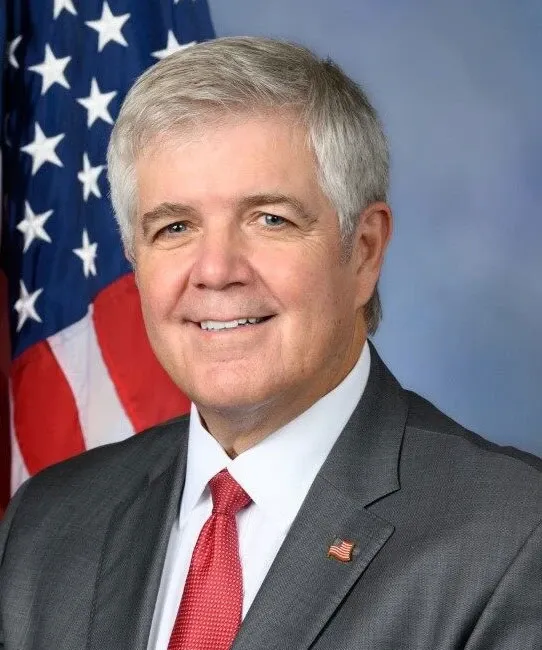
Greg Walden is a former U.S. Representative from Oregon, serving in the House from 1999 to 2021. A member of the Republican Party, he represented Oregon's 2nd congressional district. During his tenure, Walden was known for his work on issues related to healthcare, telecommunications, and energy policy. He played a significant role in the passage of the 21st Century Cures Act, which aimed to accelerate medical product development and bring new innovations to patients more quickly.
We need to be able to have more timely and reliable data so we can better understand and address the full scope of the problem.
Despite a report released by the Centers for Disease Control last week which indicates that the number of opioid prescriptions has decreased over the past five years, the rates are still three times as high as they were in 1999.
In Oregon, more people now die from drug-related overdoses than from automobile accidents--and sadly, that is not unique to my home state.
Addiction is an equal opportunity destroyer. It is a crisis that does not pick people based on their age, race, or socioeconomic status.
I see real benefits in terms of cleaner cars with less of an environmental impact.
Self-driving vehicles could greatly improve mobility and accessibility, empowering senior citizens and those who suffer from disabilities.
Again, I thank our panel of witnesses. Your testimony is most helpful in our work and we appreciate your insights and opinions.
Self-driving vehicle technology has the potential to dramatically improve safety on our Nation's roadways.
Unfortunately, our Nation has seen a sharp rise in vehicle-related injuries and deaths over the past few years.
This technology could help increase transportation access to underserved and rural communities.
You think of the loss of life, of limb, of property--everything that is associated with highway fatalities and accidents.
I think the future generations will look back and say, 'What a bunch of barbarians. You drove yourselves? And how did you text?'
But the long and the short of it is this new technology has a great opportunity to save lives.
I want to associate myself with the comments of the gentlelady of Michigan because we too join you in wanting to make sure that this innovation takes place in America first.
Today marks an important step forward in this committee's work to strengthen our health care safety net by examining the extension of two popular safety net programs.
Both programs have demonstrated successes in helping reduce cost for patients and families, improve health outcomes, and deliver cost-effective care.
Today marks a really important step forward in this committee's work to strength our healthcare safety net by examining the extension of two very important safety net programs.
We are united in the effort to protect patients and to support innovative patient-centered solutions at state and local levels.
We recognize that CHIP and community health centers play a significant role in the Nation's safety net for millions of Americans.
If we intend to invest taxpayer dollars, we should target those resources carefully and thoughtfully.
I hope this time when we look at infrastructure expansion in America to connect places that we hit the mapping first.
They should not be left behind in America, whether you are in Montana or Wyoming or Oregon or North Dakota or an urban setting where there are issues as well.
That should be our primary objective as policymakers looking to allocate Federal resources, counting for consumer demand, putting the consumer first, and getting the most people the best access we can to a productive level of internet…
Politicians like Greg Walden