Sep 6, 2017
It is time for Congress to legislate the rules of the internet, and stop the Ping-Pong game of regulations and litigation.
The Public Record
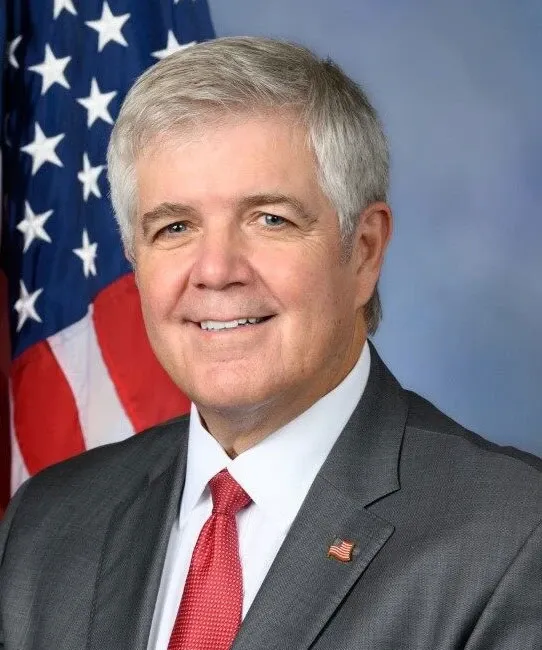
Greg Walden is a former U.S. Representative from Oregon, serving in the House from 1999 to 2021. A member of the Republican Party, he represented Oregon's 2nd congressional district. During his tenure, Walden was known for his work on issues related to healthcare, telecommunications, and energy policy. He played a significant role in the passage of the 21st Century Cures Act, which aimed to accelerate medical product development and bring new innovations to patients more quickly.
It is time for Congress to legislate the rules of the internet, and stop the Ping-Pong game of regulations and litigation.
Now is the time for the committee to review PURPA and its associated impacts.
In passing PURPA, Congress took the first step towards competition within the electricity sector by allowing electricity generation to be independent of regulated monopolies for the first time.
Now that PURPA has been in place for multiple decades, we can see how it has helped transform the U.S. energy sector, bolstered renewable energy, and reduced greenhouse gas emissions.
Nearly 40 years ago, as we have all heard, Congress passed the Public Utilities Regulatory Policies Act, commonly known as PURPA.
We care deeply about what has happened in Texas. We care deeply about what is about to happen in Florida.
As a committee with jurisdiction over both Medicare and Medicaid, we have a special obligation to thoughtfully examine this unique opportunity.
Well, good morning, Mr. Chairman and members of the committee and our distinguished panelists.
It's time for Congress to legislate the rules of the internet, and stop the ping-pong game of regulations and litigation.
I believe now, as I did then, that we should work together to write bipartisan legislation to protect the internet from bad actors who want to use their unfair advantage to block, throttle, or, in other ways, engage in bad behavior.
I have cosponsored this legislation in the past, and I will continue to support it.
No crook should ever be less afraid of defrauding the Medicare program or taking advantage of a beneficiary simply because the penalties haven't been updated in decades.
We want to improve the integrity of them. We want to look at the vulnerabilities and the current laboratory fee schedule.
I look forward to learning more about the state of the vital industry and hearing your thoughts regarding what, if any, reforms could help to achieve greater efficiencies, reliability, and competition in the wholesale markets while also…
American consumers have come to expect safe, reliable, and affordable supplies of power--regardless of how they receive their electricity.
With this program growth, concerns have surfaced about HRSA's ability to adequately oversee the program.
Thank you, Mr. Chairman, for this hearing. This committee has really been ramping up its top-to-bottom oversight of many aspects of our health care system.
Since its creation by Congress in 1992, the 340B drug pricing program has provided lifesaving medicines at reduced prices to certain safety net health care providers.
The committee is already ramped up its top to bottom oversight of many aspects of the cost drivers in our health care system and we have more work to do.
I want to commend my colleague from Oregon for his good work on this part of the bill. Mr. Speaker, I yield 1 minute to the gentleman from Oklahoma (Mr. Mullin).
I thank my colleague from New Jersey for his good work and kind comments on our legislation that we put together. Mr. Speaker, I yield 1 minute to the gentleman from Texas (Mr. Barton), the former chairman of the full committee. (Mr…
It is past time for Congress to act, and as FDA's authorizing committee it is our job to clarify the statute.
I also appreciate Ranking Member Pallone's commitment at the user fee markup to work with us in good faith.
I believe Morgan Griffith's bill, H.R. 1703, is a serious, well-thought-out policy proposal.
Politicians like Greg Walden