Jul 23, 2018
The House, as you know, recently passed H.R. 6. This is the Support For Patients and Communities Act, which includes 70 provisions, largely from this committee, that seek to address a number of issues within the opioid epidemic.
The Public Record
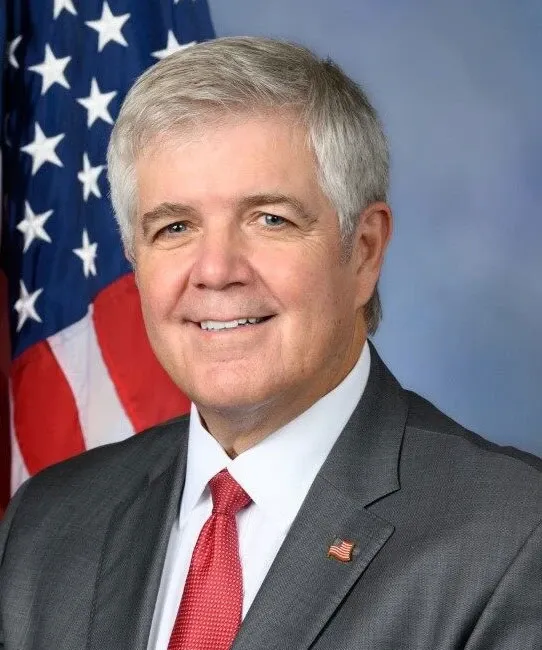
Greg Walden is a former U.S. Representative from Oregon, serving in the House from 1999 to 2021. A member of the Republican Party, he represented Oregon's 2nd congressional district. During his tenure, Walden was known for his work on issues related to healthcare, telecommunications, and energy policy. He played a significant role in the passage of the 21st Century Cures Act, which aimed to accelerate medical product development and bring new innovations to patients more quickly.
The House, as you know, recently passed H.R. 6. This is the Support For Patients and Communities Act, which includes 70 provisions, largely from this committee, that seek to address a number of issues within the opioid epidemic.
Today's hearing follows up on our year-long bipartisan investigation to patient brokering and the fraud and abuse within the substance use disorder treatment industry.
These challenges...require a DOE that has the appropriate organization, management focus, and authorities to succeed in its missions.
The resurgence in American oil and gas production over the past decade has placed the United States into a dominant role when it comes to global oil and gas supplies.
Congress, under this committee's leadership, established the SPRO in the wake of the 1973-1974 Arab oil embargo.
The urgency of our focus has been driven by domestic and international challenges that will be confronting the nation in the decades ahead.
In Cures, we streamlined these programs and brought them into the 21st century.
The provisions were ultimately folded into Cures, which was signed into law on December 13, 2016.
When our committee first took this on, there were 112 federal programs spread across eight federal agencies designed to address mental illness.
They are based largely off the Helping Families in Mental Health Crisis Act.
I think the worry part is gone and that's the tragedy of it all is we don't have control over our data.
This is the overarching reason I support the Federal Communications Commission's 'Restoring Internet Freedom Order,' which reaffirms the FTC's authority over both ISPs and tech companies alike.
We do not want to unduly saddle companies with unnecessary regulations or impose compliance burdens that will not result in any meaningful impact for consumers.
The revelations surrounding Facebook and Cambridge Analytica have brought the issue of privacy of consumers' data to the forefront.
Our goal is to work with all stakeholders on how best to incentivize data security and help protect personal and financial data.
Data security incidents involving sensitive, personal, and financial information are a significant threat to United States consumers and businesses.
While our economy is the driver of so much growth and opportunity for Americans, there are still, unfortunately, some bad actors.
I was really pleased in June when the FCC increased the funding for the Rural Health Care Program by $171 million a year.
I encouraged the FCC to take a close look at the program in order to help telehealth facilities pay for the cost of this connectivity.
I worked closely with the hospital and community to help get fiber built out into the county, and we recently worked together with FCC Chairman Ajit Pai to raise the cap on the FCC's Rural Health Care Program.
I want to thank Ms. Word for being here today. We really appreciate your coming out. I look forward to your testimony.
These bipartisan bills include Mr. Tonko and Mr. Lance's ACCESS BROADBAND Act, which is an important and necessary step to coordinate funding for broadband across different agencies.
Politicians like Greg Walden