Jun 10, 2013
I am glad to hear those are the kind of decisions--we spent $500 million on a cost-plus contract that got us nothing on a handheld device for the Census, and nobody was held accountable for it, nobody got canned.
The Public Record
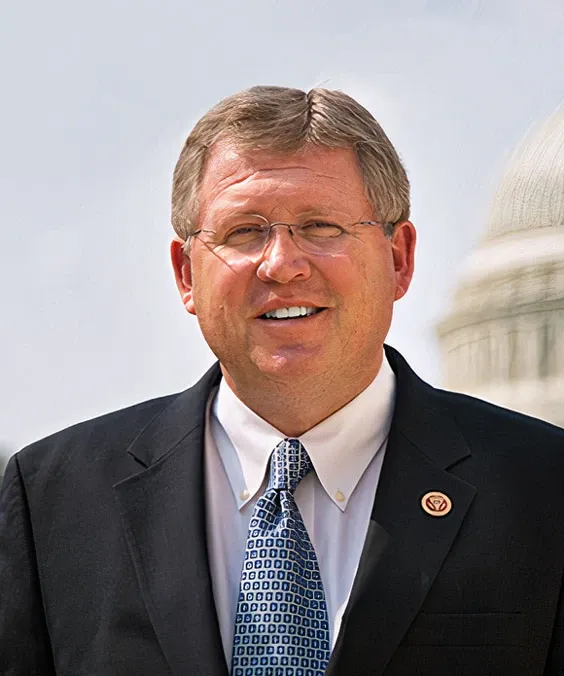
Tom Coburn is a former U.S. Senator from Oklahoma, serving from 2005 to 2015. A member of the Republican Party, Coburn was known for his fiscal conservatism and advocacy for government transparency. He was a practicing physician before entering politics, which influenced his views on healthcare and government spending. Throughout his tenure, he was a vocal critic of wasteful government expenditures and often called for reforms to improve accountability in Congress.
I am glad to hear those are the kind of decisions--we spent $500 million on a cost-plus contract that got us nothing on a handheld device for the Census, and nobody was held accountable for it, nobody got canned.
We can no longer do these 5-year, $100 million---if I ever see those, those are like an instant TechStat trigger for me.
We have, if you count intelligence organizations, far in excess of $80 billion a year.
One of our problems in purchasing IT--and the reason I asked about fixed-price contracting--is when you have contracting other than fixed price, what happens is either the person that is making the decision or the company that is not…
Well, if I just added up what he indicated in his testimony, it was well in excess of $30 billion.
Since objection is heard, it was my understanding the Senator from Michigan had an agreed-upon list that was sent to both cloakrooms.
I will yield for a question, but I will not yield the floor. I will be happy to yield for a question.
The reason Danny Werfel, I think, was chosen is because he has demonstrated integrity in everything he has done in the Federal Government.
As a recovering Governor, I know that you cannot manage what you cannot measure, and that is why the successful implementation of the Performance Act is so important.
Why would we not want to know before we put a new bill on the floor of the Senate whether or not it is going to duplicate something that is already running?
I actually think the Administration pays attention to the work you do, and President Obama and his team have made lots of great recommendations in their budgets.
It is amazing. I cannot get that passed in the Senate. That is common sense.
The law states--the law that I authored and we passed--states that you are to make recommendations for eliminations.
On improper payments, we have been like a dog with a bone. And while improper payments are still high, they have come down a lot and we need to keep the pressure on, to keep the spotlight on.
Politicians like Tom Coburn