Mar 4, 2013
If Congress prohibits the proposed TRICARE fee changes and does not restore the budgeted savings in fiscal year 2014, the Department will likely be forced to make additional reductions to readiness and modernization accounts.
The Public Record
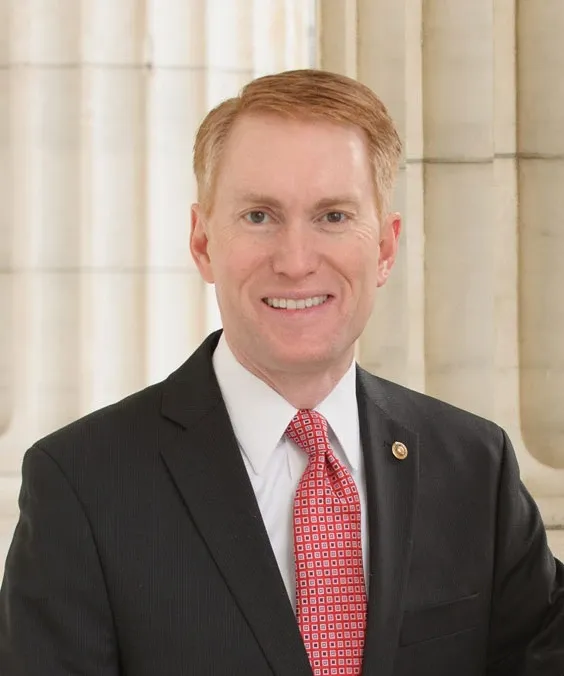
James Mountain Inhofe is a former United States Senator from Oklahoma, serving from 1994 to 2021. A member of the Republican Party, Inhofe is known for his strong conservative views, particularly on issues related to national defense and environmental policy. He gained notoriety for his skepticism regarding climate change, famously calling it a hoax. Throughout his tenure, he held significant positions, including Chairman of the Senate Armed Services Committee and the Senate Environment and Public Works Committee.
If Congress prohibits the proposed TRICARE fee changes and does not restore the budgeted savings in fiscal year 2014, the Department will likely be forced to make additional reductions to readiness and modernization accounts.
some Members of Congress believe you have not gone far enough and suggest that the public trust and confidence in the military justice system cannot be preserved unless military commanders are deprived of the discretion to dispose of…
they would be more emboldened to act more like a revolutionary cause vice a responsible country.
Secretary Mabus, what is your assessment of the Navy's operational tempo (OPTEMPO) reporting and how well are we meeting our operational tempo requirements to reduce stress on our servicemembers and their families?
Bahrain is a strong partner in the Gulf, and our naval presence there accomplishes bilateral security objectives.
the one-time implementation cost of 2005 grew from $21 billion to $35 billion, an increase of $14 billion, or 67 percent.
General Welsh, what other upgrades/capabilities previously included in the C-130 AMP will not be done and which of these will be addressed at some future time?
Maintaining an Army sufficiently large to generate a credible capability of defeating any threat is critical.
Sequestration would have a direct and negative impact on the achievement of these transitions.
reduced readiness and curtailed modernization damage the perceived credibility of our capabilities, increasing the risk to achieving our primary deterrence and assurance objectives.
I opposed the one in 2005 for two reasons. One is that it was bringing down our infrastructure to an artificially low size to meet what I thought was an unacceptable force size.
Politicians like Jim Inhofe