On the recordMarch 17, 1999
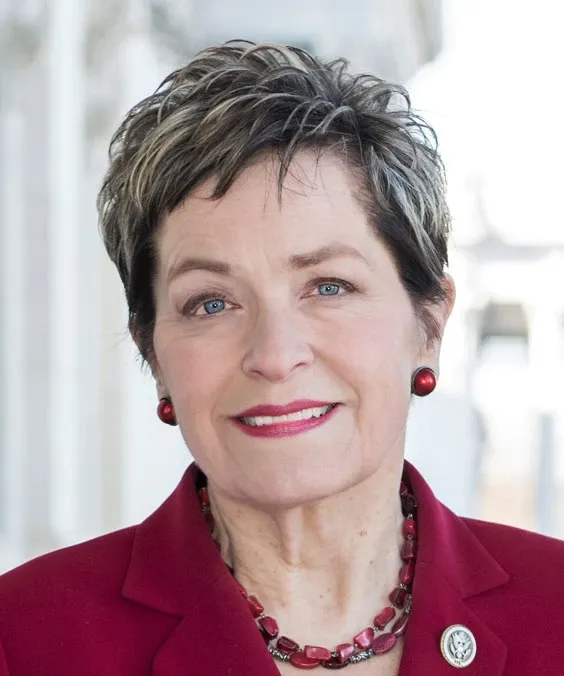
Democratic women of Congress are so concerned about the potential for harming Social Security that we will see during this hour a number of us come to the floor to alert our colleagues and the women of our country about the very high stakes for them as to what we do with Social Security. Let me emphasize that this is the highest stake game, if I may call it that, of all during the 106th Congress because we have a chance to protect and secure the most popular and one of the most important programs that our country has ever had the good sense to create. I approach this issue from the peculiar perspective of an official who served as chair of the Equal Employment Opportunity Commission under President Carter, a post that gave me a very special concern about the gap between men and women's wages. When we are speaking of Social Security, of course, we are speaking first and foremost of women who have smaller wages than men and, of course, women who have no wages whatsoever. For that reason, we have introduced a resolution in the Congress that recognizes the unique effects that proposals to reform Social Security almost surely will have on women. Three-quarters of unmarried and widowed elderly women rely on Social Security for over half of their income. So when we deal with Social Security, when we tamper with it, who should be in our mind's eye first and foremost are women because they are so disproportionately affected.
Source
govinfo.gov