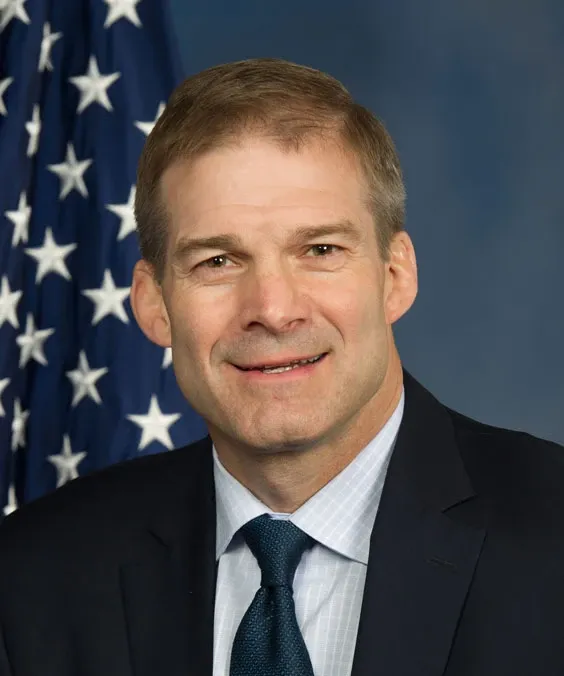
On the recordMay 23, 2007
the Iraq War supplemental on the floor tomorrow will in no way pressure the President to end the war in Iraq, despite the fact that voters gave our majority last November the responsibility to do that, end the war. The benchmarks in the war supplemental force the Iraqis to privatize, or turn over to multinational oil interests, their oil industry by demanding passage of the Iraqi Hydrocarbon Act. I spoke on the House floor today for an hour documenting the evidence. But if the Iraqis refuse to turn over the oil resources, the terms of the bill are blackmail. The war supplemental demands passage of the Iraqi bill by blocking over $1 billion in reconstruction funds if the Iraqis refuse to comply. We need to send a message to the voters that we do not support privatizing Iraqi oil by force, nor do we support the continued funding of this war. It is not credible to maintain that one opposes the war and yet continues to fund it. Continuing to fund the war is not a plan. It would represent the continuation of a disaster. A better approach is the 12-point plan established in H.R. 1234.
Source
govinfo.gov