Jun 14, 2016
I appreciate the work you have done with VETS.GOV. I think it has come a long way and certainly an opportunity for so many.
The Public Record
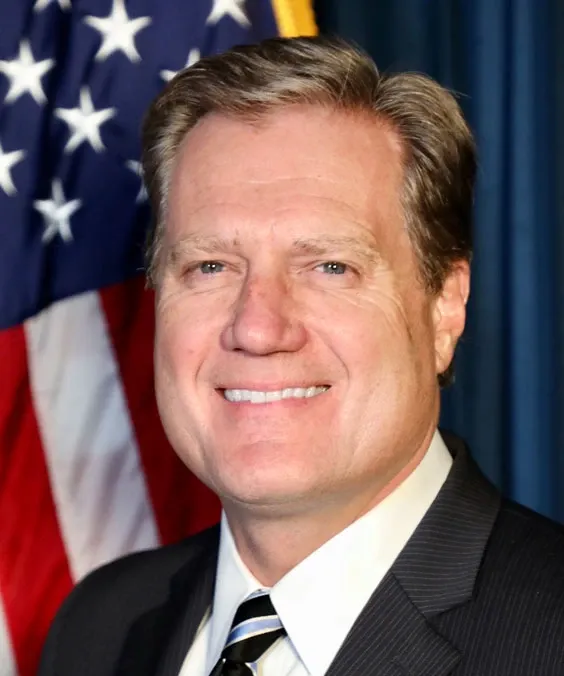
Brad Robert Wenstrup is an American politician and physician currently serving as the U.S. Representative for Ohio's 2nd congressional district, a position he has held since January 3, 2013. A member of the Republican Party, Wenstrup has focused on various issues including healthcare, veterans' affairs, and fiscal responsibility during his time in Congress. He has been involved in several key legislative efforts and has served on various committees, contributing to discussions on national security and public health.
I appreciate the work you have done with VETS.GOV. I think it has come a long way and certainly an opportunity for so many.
I would disagree; neither of my parents have a 4-year degree, and my guess is yours might not either.
I think you brought up a good point. You know, many of our young veterans, as they get out, use their GI bill, and many of them go and use it for a 4-year degree, and that is great. But that is not for everybody.
I am proud to say that a technology platform has never economically empowered this community in such a manner before.
Engine commends you for holding today's hearing entitled 'Veterans in Tech: Innovative Careers for All Generations of Veterans.'
Dr. Tim Murphy, who is a Navy veteran, psychologist, Member of Congress, has a very good bill, I believe.
One of the things I am taking away from this is that we don't really have a definitive system that we are working with on this.
It is not uncommon for us to hear from veterans who were blocked by HR officials or managers for consideration.
It is not uncommon for VA hiring managers to complain that they always try to use a special hiring authority.
In reality, veterans preference is often thwarted by an overly complicated competitive or excepted service system.
Some form of veterans preference has been a fixture in Federal hiring since the Civil War.
I think it is important that we also focus on the hiring and retention of high-quality employees within the department.
I look forward to our discussion today, as we have spent several months working on this proposal and listening to key stakeholders.
I equate it to kind of being in a box with all of your friends for a number of years. You are in that box, and you can see people on the outside, but you largely do not communicate with them.
What we are finding is, many veterans come out of the military with either very inflated expectations about the type of job and position they are going to have or a lot of hesitancy because they do not know how in the world they are going…
I could not agree with you more when you talk about the bureaucracy that ends up being involved and making it more and more challenging.
I am afraid that we find, too often, that we have people there that are self-serving, which goes directly against the life of those that serve in the military who are there to serve for others.
I want to thank you, and I want to thank all the panel Members today for your testimony, and taking the questions, and sharing your insights.
And it must be done if we are going to get more of our veterans and their skills to work, and increase our collective competiveness.
I want to thank this first panel for your testimony and answering all our questions, and your willingness to serve.
In Hamilton County, we do have a veterans court, and that does not specifically involve the police department.
I look forward to hearing from each of our witnesses as to how we can better spread the word not only within the local area, but nationally as to why employers should always want to bring the men and women who have sacrificed for our…
Politicians like Brad Wenstrup