Of course, the worst of all lives is the vicious life; the life of a man who becomes a positive addition to the forces of evil in a community.
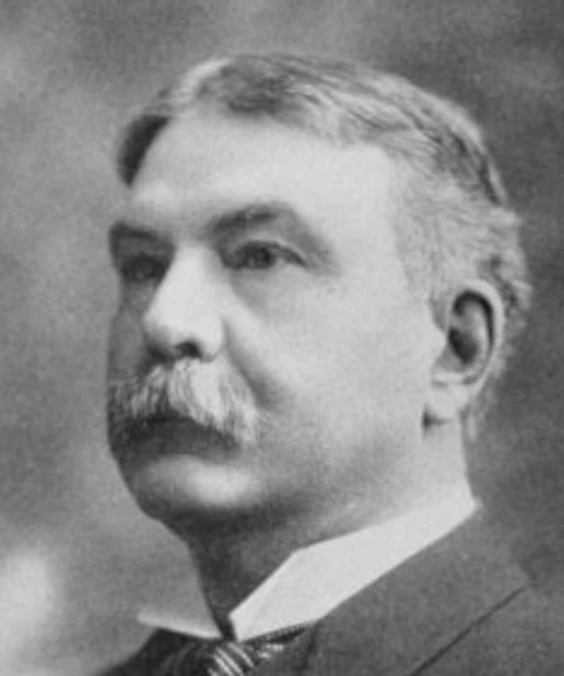
Teddy Roosevelt
The Public Record
Theodore Roosevelt was the 26th President of the United States, serving from 1901 to 1909. A member of the Republican Party, he was born on October 27, 1858, in New York. Roosevelt was a prominent leader of the Progressive Movement, advocating for domestic policies that included trust-busting, regulation of corporations, and conservation of natural resources. His administration is noted for significant reforms and the establishment of national parks and forests.
gutenberg.org
It is necessary to have the habit of application, the habit of subordinating mere pleasure to serious duty, if you are going to do really good work once you are out of school and out of college.
A sound body is good; a sound mind is better; but a strong and clean character is better than either.
When he comes to the end of his life let him feel he has pulled his weight and a little more.
I have a pity that is akin to contempt for the man who does not have as good a time as he can out of life.
Remember that in life, and above all in the very active, practical, workaday life on this continent, the man who wins out must be the man who works.
I believe that to have been in athletics is an advantage to a man only if he realizes that even when he is in college it is not his chief end, and if he realizes that once out of college it can not be his end at all.
I believe in them not only because of the amusement and pleasure they bring, but because I think they are useful.
So I believe heartily in physical prowess, in the sports that go to make physical prowess.
If he has not the right spirit, the spirit which makes him scorn self-indulgence, timidity and mere ease, that is if he has not the spirit which normally stands at the base of physical hardihood, physical prowess, then that boy does not…
But if he has the physical ability and keeps out because he is afraid, because he is lazy, because he is a mollycoddle, then I haven’t any use for him.
He may be just as much of a man in after life as if he could, because it is not physical address but the moral quality behind it which really counts.
So that if you go into life to do anything, it is perfectly useless for me to tell you to get rid of snobbery, because you will have to.
You will find that if you expect to do anything there will be mighty little temptation to try to treat the men with whom you are working on any basis save the fundamental democratic basis of what they amount to, and what you can show you…
You will soon find that it is not his clothes but his political sense and energy that control.
I do not think such sneers are justified; but you are peculiarly liable to such sneers, and therefore you should be peculiarly careful to walk so as not to be suspected of deserving them.
Because much has been given to you, therefore we have a right to expect much from you; and we have a right to expect that you shall begin to give that much just as soon as you leave school and go to college, so that you shall count when…
You are not entitled, either in college or in after life, to an ounce of privilege because you have been at Groton—not an ounce; but we are entitled to hold you to an exceptional accountability because you have been at Groton.
If a boy has not got pluck and honesty and common-sense he is a pretty poor creature; and he is a worse creature if he is a man and lacks any one of those three traits.
The same qualities that make a decent boy make a decent man.
I want to speak to you first of all as regards your duties as boys; and in the next place as regards your duties as men; and the two things hang together.
When we have made things all as they should be in Nation, State, and municipality here at home, then we can talk about reforming the rest of mankind; but meanwhile let us begin at home.
We can rest assured that no man ever thinks better of us because we point out his salient defects; and no nation is ever won to a kindlier feeling toward us if we adopt toward it a tone which we would resent if adopted toward us.
That ought to and I think in the future will tell predominantly for good; but it does not help us in the least to be brought closer together with other peoples if they merely find our unamiable traits more strongly marked than they thought.
Steam, electricity, the immense spread of the newspaper press in all countries, the way in which so much of what is written in any country is translated into the language of another country, all of these facts have tended to bring peoples…
Politicians like Teddy Roosevelt