A keen, exhaustive and merciless criticism of the whole Philippine experiment....
De Alexander
The Public Record
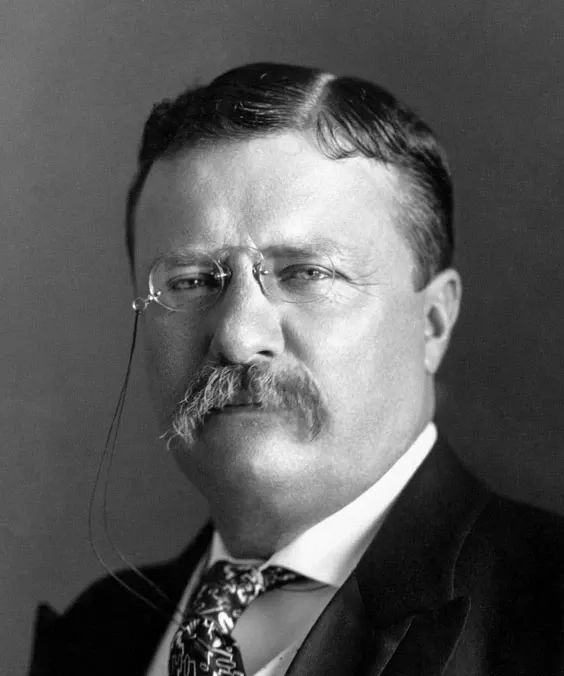
De Alva Stanwood Alexander was an American journalist, lawyer, historian, and member of the United States House of Representatives, serving seven terms from 1897 to 1911 as a representative of New York state.
gutenberg.org
More valuable still is his exposition of the Philippine question in its bearings on American life and politics.
He writes of the Filipinos as he found them, and with the knack of the true investigator, has avoided falling in with the political views of any party or faction.
An exceedingly readable volume, especially valuable in its analyses of conditions, causes, situations and results; and against his main conclusions no sane person can contend."--Boston Transcript.
Human, dramatic, interesting, absorbing, there is philosophy of national and political life back of it--a philosophy which not only furnished interpretation of past events, but offers guidance for the future....
Enlightened and persuasive discussion of the negro problem in its present phases and aspects.
Shows the historical reasons for the present method, and its effect on the senate and senators, and on state and local government, with a detailed review of the arguments for and against direct election.
He had been an honest lawyer as well as an upright public official, and the people believed that his stubborn independence and sturdy integrity would make him a real governor, the enemy of rings and bosses, and the foe of avarice and…
In accepting the Democratic nomination Cleveland had the great advantage of not being obliged to refer to anything of which he was ashamed.
Referring to the fraudulent practices, he said: "No one claims, no one believes, that I had lot or part therein, or previous hint or suspicion thereof.
Indeed, his administration admittedly ranked with the best that had adorned the State for a century, and his friends, including Independents and many Stalwarts, rallied with energy to his support.
His numerous vetoes called attention to his discriminating work, indicating honesty, efficiency, activity in promoting the people's interests, and fidelity to Republican principles.
In Buffalo, where he had lived for a quarter of a century, people knew him as a man without guile.
His sturdy old-fashioned rectitude, and the just conviction that by taste and adaptability for public life he had peculiar qualifications for the great office of governor, commended him to popular confidence.
Besides, his success as a politician, his character as a public official, and his enthusiastic devotion to the clients whose causes he championed, challenged the most careful scrutiny.
The result brought the Democrats into perfect accord for the first time in many years.
But the County Democracy, inspired by men of prescience and of iron nerve, went to Cleveland in a body, making the hall resound with cheers.
His friends tried to tell the delegates that he insisted upon public officials treating the people's money as its trustees, and that he had promptly vetoed every departure from this rule.
But that the movement should include the rank and file was an astonishing revelation.
It meant that Kelly, in his inevitable desire to defeat his enemy, would trade, combine, and descend to other underhand jobbery, which usually benefited the opposite party.
The Democracy here and elsewhere perfectly understand his perfidy, and they only await an opportunity for a reckoning.
This classified him at once as a common enemy.
The humiliation of having gone to Albany, of being deserted by friend after friend, of enduring the taunts of an inhospitable press, and, finally, of having his place taken by one, who, in his opinion, had proven most faithless, was like…
He used to get angry with men simply because they voted against him on questions in which he took an interest.
Politicians like De Alexander