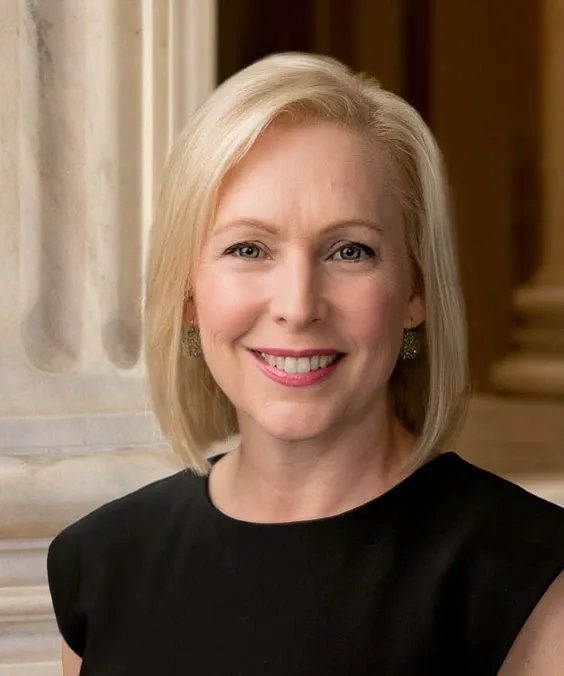
Sonia Sotomayor
The Public Record
Sonia Sotomayor is an Associate Justice of the Supreme Court of the United States, having been nominated by President Barack Obama in 2009. She is the first Hispanic and Latina member of the Court. Sotomayor previously served as a judge on the U.S. Court of Appeals for the Second Circuit and as a district court judge for the Southern District of New York. Her judicial philosophy often emphasizes the importance of empathy and the impact of the law on the lives of individuals, particularly marginalized communities.
Jul 2, 2025
No right is safe in a regime where courts cannot fully protect those before them.
Jul 2, 2025
Strips federal courts of the ability to safeguard constitutional rights in the face of nationwide executive overreach.
Jul 1, 2025
Today, the threat is to birthright citizenship. Tomorrow, a different administration may try to seize firearms from law-abiding citizens or prevent people of certain faiths from gathering to worship.
Jun 30, 2025
By retreating from meaningful judicial review exactly where it matters most, the Court abandons transgender children and their families to political whims.
Jun 30, 2025
Thus, the majority subjects a law that plainly discriminates on the basis of sex to mere rational-basis review.
Jun 30, 2025
Books expressing implicit support for patriotism, women’s rights, interfaith marriage, consumption of meat, immodest dress, and countless other topics may conflict with sincerely held religious beliefs.
Jun 30, 2025
In dissent, Justice Sonia Sotomayor masterfully exposed Alito’s extralegal interpretive maneuvers.
Jun 30, 2025
The Government’s conduct in this litigation poses an extraordinary threat to the rule of law.
Jun 30, 2025
This Court’s precedent establishes beyond a shade of doubt that the Executive Order is unconstitutional.
Jun 30, 2025
This Court endorses the radical proposition that the President is harmed, irreparably, whenever he cannot do something he wants to do, even if what he wants to do is break the law.
Jun 30, 2025
Would be well advised to file promptly class-action suits and to request temporary injunctive relief for the putative class pending class certification.
Jun 30, 2025
No matter how illegal a law or policy, courts can never simply tell the executive to stop enforcing it against anyone.
Jun 28, 2025
This is not the first time the Court closes its eyes to noncompliance, nor, I fear, will it be the last.
Jun 27, 2025
Today, the threat is to birthright citizenship. Tomorrow, a different administration may try to seize firearms from law-abiding citizens or prevent people of certain faiths from gathering to worship.
Jun 27, 2025
The reverberations of the Court’s error will be felt, I fear, for generations. Unable to condone that grave misjudgment, I dissent.
Jun 27, 2025
The court’s new decision, she said, strikes at the core premise of public schools: that children may come together to learn not the teachings of a particular faith, but a range of concepts and views that reflect our entire society.
Jun 27, 2025
Given the great diversity of religious beliefs in this country, countless interactions that occur every day in public schools might expose children to messages that conflict with a parents' beliefs.
Politicians like Sonia Sotomayor