Apr 8, 2019
I urge you to release the reports I have raised, along with others which I intend to submit for the record.
The Public Record
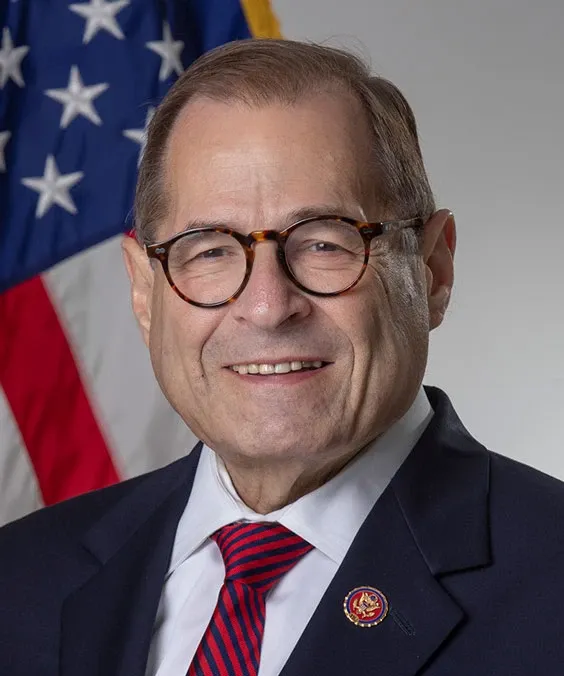
Paul David Tonko is an American politician serving as the U.S. Representative for New York's 20th congressional district since 2013. A member of the Democratic Party, Tonko has focused on various issues including healthcare, renewable energy, and infrastructure. He has been an advocate for policies aimed at addressing climate change and improving public health. Tonko previously served in the New York State Assembly from 1983 to 2007, where he held the position of Assembly Majority Leader from 2005 to 2007.
I urge you to release the reports I have raised, along with others which I intend to submit for the record.
The House will certainly reject this budget, which would undermine the agency's ability to fulfill its basic mission of protecting Americans' health and our environment.
I hope this morning that Administrator Wheeler, you will renew your commitment to deliver thorough and timely responses to our requests.
Administrator Wheeler has called unsafe drinking water the greatest environmental threat, but the budget fails to reflect that sentiment.
EPA's internal analysis corrected many flaws in the modeling underlying the proposed rule. And after doing so, EPA career staff concluded that instead of saving lives, the proposed rule would actually increase fatalities.
It is falling upon them to harden their infrastructure and deal with increasingly frequent and severe wildfires, flooding, droughts, and air quality issues.
Today we ask what can Congress learn from our State and local experiences and how can our Federal Government be a better partner in these efforts?
We are at a crossroads in the climate crisis. We are going to meet this crisis head on.
Empowering State, local, Tribal, and territorial governance needs to be at the foundation of our climate response in Congress.
Investing in infrastructure and creating local jobs and transitioning to a clean energy economy are goals that leaders on both sides of the aisle at all levels of government should be able to support.
scientific integrity is about, in my opinion, ensuring a process and atmosphere in which the science leads us to the results.
The efforts to silence science, distort, and bury or delay the release of valuable science at EPA--and they serve as a reminder of the urgency of passing the Scientific Integrity Act.
The process--or processes through which science is conducted, reviewed, or communicated to the public and incorporated into policymaking must be transparent.
I firmly believe that we must ensure that inappropriate political interference in the scientific process does not get in the way of protecting our national security and public health.
I'm extremely concerned by the actions that have suppressed information and kept results hidden from the general public.
1 year ago, this body and our Nation lost one of its brightest lights with the passing of an extraordinary congresswoman and my dear friend, Louise Slaughter. I first came to know Louise in the early 1980s when we served together in the…
Unfortunately, EPA has chosen to ignore those tools, and has, in my view, failed to implement the law as Congress intended.
Implementation of the TSCA is a must and must be a top priority for the EPA and this administration to protect our workplace and our communities from untested toxic chemicals.
Asbestos is killing thousands of Americans each year, and yet somehow U.S. imports of the substance continue to rise.
EPA needed better tools to protect Americans. But today those new tools are being squandered and workers will suffer the consequences the worst.
Make no mistake, we are seeing a clear pattern: The systematic failure of our Environmental Protection Agency to protect workers under TSCA and other EPA programs, against the spirit and letter of the Lautenberg Act and the fundamental…
I commend Mr. Shimkus and Mr. Pallone for their work on that historic law to make real bipartisan progress.
Methylene chloride is a paint stripper which has killed dozens of Americans.
Politicians like Paul Tonko