Mar 25, 2014
This has been invaluable in the deliberations we have to undergo in order to write the next national defense authorization bill.
The Public Record
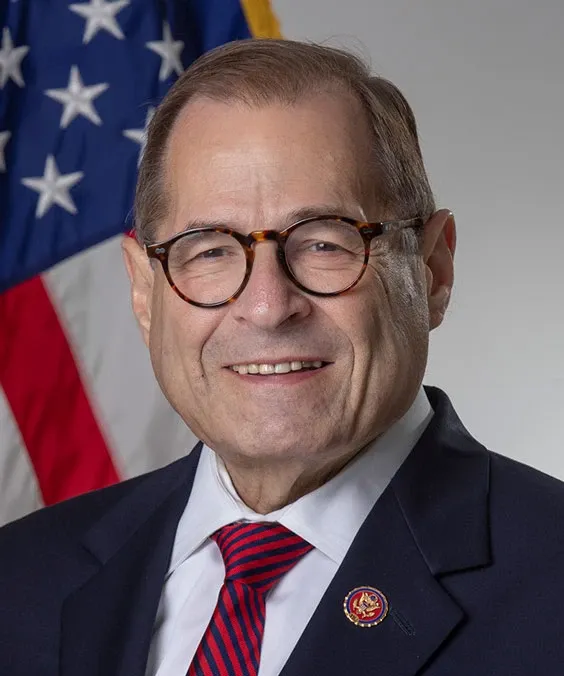
Kirsten Elizabeth Gillibrand is a United States Senator from New York, serving since January 26, 2009. A member of the Democratic Party, she has been a prominent advocate for women's rights, healthcare reform, and environmental issues. Throughout her tenure, Gillibrand has focused on legislation aimed at improving the lives of families and promoting equality in various sectors. She has also been vocal on issues related to national security and veterans' affairs.
This has been invaluable in the deliberations we have to undergo in order to write the next national defense authorization bill.
If you could distribute that to each of the offices, that would be wonderful. Thank you.
The willingness with which our young people are likely to serve in any war, no matter how justified, shall be directly proportional to how they perceive veterans of early wars were treated and appreciated by our Nation.
I think has made a huge step forward in terms of providing support for victims and of seeing increased reporting of sexual assaults.
I was very encouraged by what I heard, the affirmative efforts, that the Marine Corps is making.
I think this is important, and I just want to make sure that people understand that you are reaching into the civilian sector to women leaders in the country with a desire to keep women in leadership in the military.
The Army implemented a new policy to ensure that any final decision to retain a member convicted of sexual offense is fully informed and determined at the Secretary level.
They will not be evaluated whether they can do the job like men do it. They will be evaluated as to whether they can do the job.
If your control group is how an all-male force performs it as opposed to the actual mission of things you want accomplished, it may align differently is what I am telling you.
I wanted to know what you mean by that because the other two squads with women are being measured against the control group.
I have grave concerns about this budget, which DOD submitted at a time of tremendous challenge and uncertainty for the Nation and the military.
What additional authorities do you need in order to maintain a high-quality civilian cyber force?
Secretary Wright, do you have plans in place to compete with the private sector for this talent pool?
Have you considered ways to leverage the talent pool of servicemembers who are retiring or leaving the military?
What do you believe DOD needs in order to remain on the cutting edge of cyber defense?
I want to be helpful to DOD in recruiting the best talent and acquiring the best tools for our cyber mission.
What are your visions for the roles of both the Guard and Reserve in U.S. Cyber Command (CYBERCOM) and within the distinct Service cyber elements?
I have long agreed with this assessment, and introduced the Cyber Warrior Act which would establish National Guard cyber teams in each State to leverage this talent pool.
What reason would there be to prevent the most-qualified applicant from competing for a position regardless of gender?
What are you doing to ensure that the Services are, in fact, producing gender neutral physical standards?
Politicians like Kirsten Gillibrand