Mar 9, 2011
For the first time, a lot of these people are seeing what is going on in the rest of the world, and they want to be treated like citizens, not subjects.
The Public Record
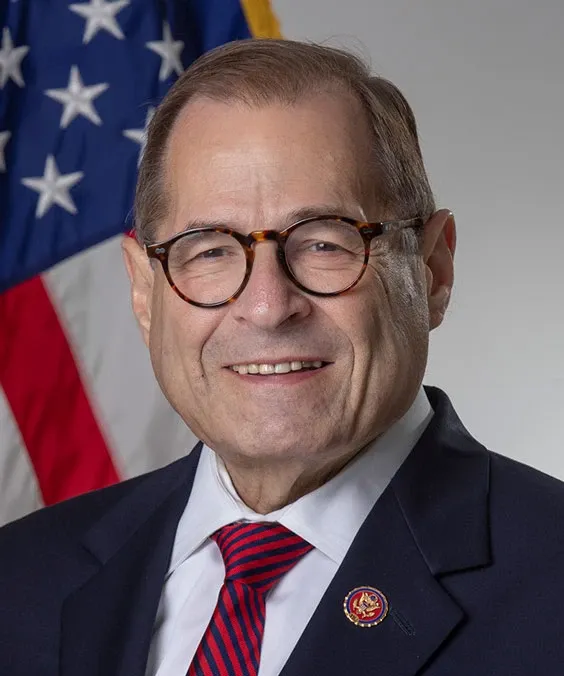
Brian Michael Higgins is an American politician serving as a member of the United States House of Representatives from New York's 26th congressional district since 2005. A member of the Democratic Party, Higgins has focused on issues such as healthcare, economic development, and infrastructure throughout his tenure. He has been an advocate for the Buffalo-Niagara region, working to secure federal funding for local projects and initiatives.
For the first time, a lot of these people are seeing what is going on in the rest of the world, and they want to be treated like citizens, not subjects.
the word is ``slave'' because when you are forced to do work and your owner rebuts, you know, the national government is the one that receives the payment.
The Peace Bridge connects my community, western New York, to southern Ontario.
Implementing the proposed land preclearance framework would have required the United States to accept a lower level of security at a land preclearance crossing than at any other U.S. port of entry.
Thank you for your March 26, 2009 letter regarding land preclearance for border crossings between Buffalo, New York, and Fort Erie, Ontario.
The goal was to eliminate all human suffering is and death due to cancer by the year 2015.
It should be America's goal. And as a Nation, we should insist on a massive investment behind cancer research, prevention, and early detection.
I am proud to share the President's goal, and it is one that I think should be America's goal, to end suffering due to cancer in our lifetime.
A doubling of cancer research funding over time will ultimately improve the quality of life for cancer patients.
In these tough economic times, we need to provide institutions like Roswell with more support.
The Nation's budget is not only a spending plan, but it is also a statement of values.
I strongly urge this Committee to produce a budget document that reflects the President's call to double cancer research funding with all immediate speed.
President Obama has proposed a doubling of cancer funding for each year from 6 to $12 billion.
These funding decreases, if factored for inflation, represent a devastating 17 percent cut in research funding for the National Institutes of Health since 2003.
What is clear here is that the new Administration inherited an unmitigated financial disaster from the previous Administration.
Politicians like Brian Higgins