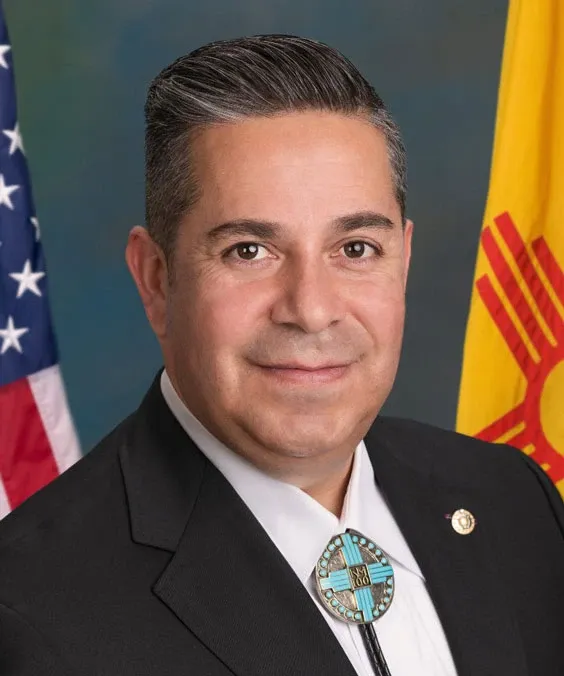
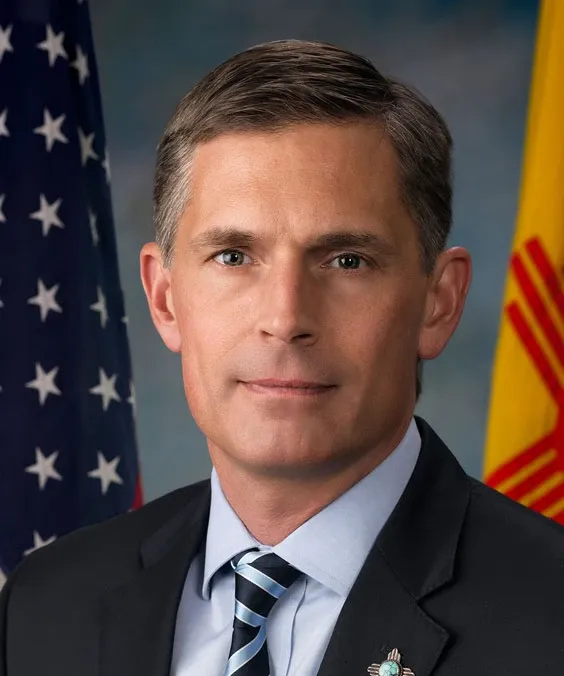
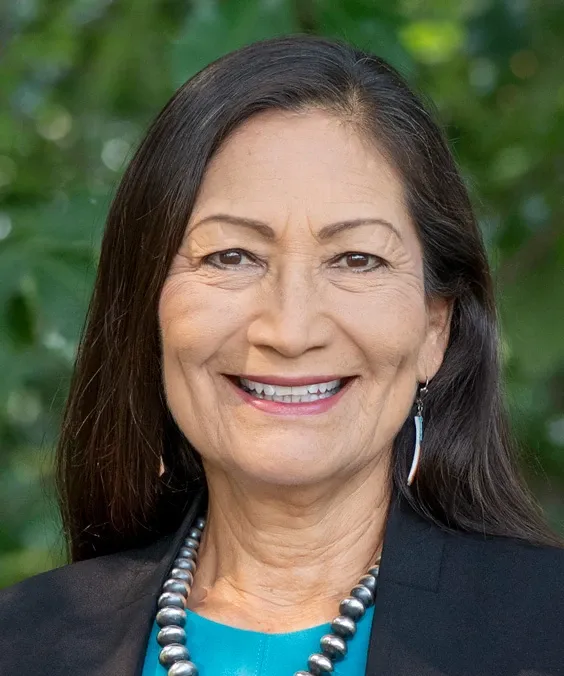
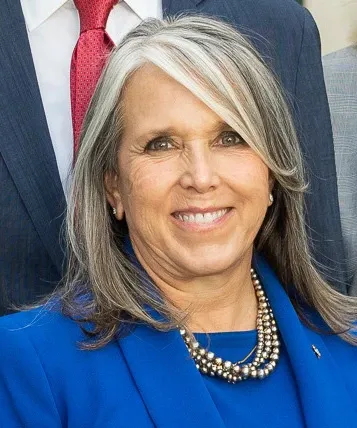
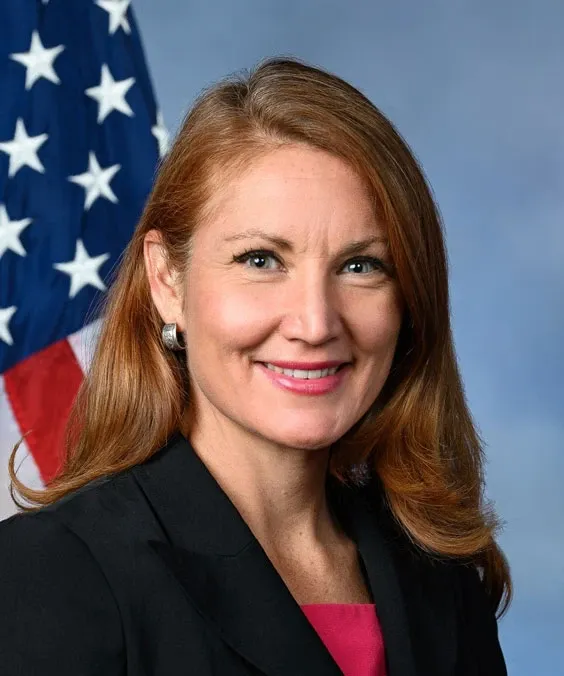
Tom Udall
The Public Record
Tom Udall is an American politician and attorney who served as the junior United States Senator from New Mexico from 2009 to 2021. A member of the Democratic Party, Udall previously represented New Mexico's 3rd congressional district in the U.S. House of Representatives from 2007 to 2009. Throughout his political career, he has focused on issues such as environmental protection, healthcare, and Native American rights. Udall has been an advocate for legislation addressing the challenges faced by the Navajo people, particularly regarding land ownership and economic development.
Jul 17, 2018
The importance of these settlements to providing certainty to both Indian and non-Indian communities cannot be overstated, particularly when climate change and drought threaten water supplies throughout the West.
Jul 17, 2018
The CSKT settlement from the last Congress will possibly cost more than $2 billion.
Jul 17, 2018
I find it very difficult, knowing the current funding constraints we face in Congress, to fund these Indian water rights settlements solely through discretionary spending.
Jul 17, 2018
Moving on to my bill, S. 3168 would permanently extend the Reclamation Water Settlements Fund in order to meet our trust responsibility to Indian Country.
Jul 17, 2018
I believe we have a responsibility to uphold our commitments to Native American tribes.
Jul 17, 2018
This Administration and Congress have said they are committed to Indian water rights settlements versus costly litigation. However, we need that commitment tied to a true financial commitment.
Jul 17, 2018
The repeal of this law, which does not apply to State lands, would remove needless barriers to economic development in Indian Country and provide parity for tribes.
Jul 17, 2018
These settlement funds, which come on line in 2020, will go a long way towards paying for the $1.6 billion backlog to complete just five of the currently authorized Indian water rights settlements.
Jul 17, 2018
The three bills before us today cover two issues of great importance to Indian Country, economic development and tribal water rights settlements.
Jul 17, 2018
These three bills give Congress a chance to do the right thing by those tribal communities to whom we owe legal, financial and moral obligations.
Jul 17, 2018
Ultimately, the bill would secure the tribe's current and future access to water, the life blood of the community.
Jul 10, 2018
I have heard from some tribes in New Mexico about stewardship contracts. These contracts can be difficult and sometimes inflexible.
Jul 10, 2018
The bill before us today addresses an issue of great importance to Indian Country, restoration of tribal homelands.
Jul 10, 2018
Climate change can have dramatic impacts on everything from water, forests to wildlife, all of which do not follow land management boundaries.
Jul 10, 2018
With this legislation, Congress has the opportunity to right a historic wrong by returning stewardship of these lands to the people most capable, the Leech Lake Band of Ojibwe.
Jul 10, 2018
Arm is working with the U.S. Government more proactively than was done when addressing the original Spectre and Meltdown vulnerabilities.
Jul 10, 2018
Do you believe that NIST can serve as a pre-disclosure clearinghouse that could help test possible patches and assess the damages that could occur from a vulnerability such as Spectre and Meltdown?
Jul 10, 2018
I think you are right. I am perfectly happy to work with you and have the Commerce Committee do all of the work on cybersecurity.
Jul 10, 2018
There is no doubt about that. How serious a threat are these vulnerabilities for our State and local election systems?
Politicians like Tom Udall