The one conclusion that I am ready to state with confidence is that it would be a disservice alike to the country and to the owners of the railroads to return to the old conditions unmodified.
Woodrow Wilson
The Public Record
Woodrow Wilson was the 28th President of the United States, serving from 1913 to 1921. A member of the Democratic Party, he was born in Virginia and raised in Georgia before moving to New Jersey, where he became a prominent political figure. Wilson was a key leader of the Progressive Movement, advocating for reforms such as antitrust legislation and the establishment of the Federal Reserve System. His presidency is also noted for significant events such as the United States' involvement in World War I and his efforts to promote the League of Nations, an international organization aimed at preventing future conflicts.
gutenberg.org
What the country chiefly needs is that all its means of transportation should be developed, its railways, its waterways, its highways, and its countryside roads.
Some new element of policy, therefore, is absolutely necessary--necessary for the service of the public, necessary for the release of credit to those who are administering the railways, necessary for the protection of their security…
I stand ready and anxious to release the roads from the present control and I must do so at a very early date if by waiting until the statutory limit of time is reached I shall be merely prolonging the period of doubt and uncertainty which…
I welcome this occasion to announce to the Congress my purpose to join in Paris the representatives of the governments with which we have been associated in the war against the Central Empires for the purpose of discussing with them the…
I realize the great inconveniences that will attend my leaving the country, particularly at this time, but the conclusion that it was my paramount duty to go has been forced upon me by considerations which I hope will seem as conclusive to…
The peace settlements which are now to be agreed upon are of transcendent importance both to us and to the rest of the world, and I know of no business or interest which should take precedence of them.
It is now my duty to play my full part in making good what they offered their life's blood to obtain.
I can think of no call to service which could transcend this.
I realize the magnitude and difficulty of the duty I am undertaking; I am poignantly aware of its grave responsibilities.
I can have no private thought or purpose of my own in performing such an errand.
I shall make my absence as brief as possible and shall hope to return with the happy assurance that it has been possible to translate into action the great ideals for which America has striven.
They must, however, be simplified, not only to save the taxpayer inconvenience and expense, but in order that his liability may be made certain and definite.
The Congress might well consider whether the higher rates of income and profits taxes can in peace times be effectively productive of revenue, and whether they may not, on the contrary, be destructive of business activity and productive of…
There is a point at which in peace times high rates of income and profits taxes discourage energy, remove the incentive to new enterprises, encourage extravagant expenditures and produce industrial stagnation with consequent unemployment…
A fundamental change has taken place with reference to the position of America in the world's affairs.
Europe is in no position at the present time to ship gold to us nor could we contemplate large further imports of gold into this country without concern.
Our complete dependence upon German supplies before the war made the interruption of trade a cause of exceptional economic disturbance.
It must now help in the difficult task of finding a method that will bring about a genuine democratization of industry, based upon the full recognition of the right of those who work, in whatever rank, to participate in some organic way in…
The great unrest throughout the world, out of which has emerged a demand for an immediate consideration of the difficulties between capital and labor, bids us put our own house in order.
Frankly, there can be no permanent and lasting settlements between capital and labor which do not recognize the fundamental concepts for which labor has been struggling through the years.
The statesmen gathered at Versailles recognized the fact that world stability could not be had by reverting to industrial standards and conditions against which the average workman of the world had revolted.
To analyze the particulars in the demands of labor is to admit the justice of their complaint in many matters that lie at their basis.
The workman demands an adequate wage, sufficient to permit him to live in comfort, unhampered by the fear of poverty and want in his old age.
He demands the right to live and the right to work amidst sanitary surroundings, both in home and in workshop, surroundings that develop and do not retard his own health and wellbeing; and the right to provide for his children's wants in…
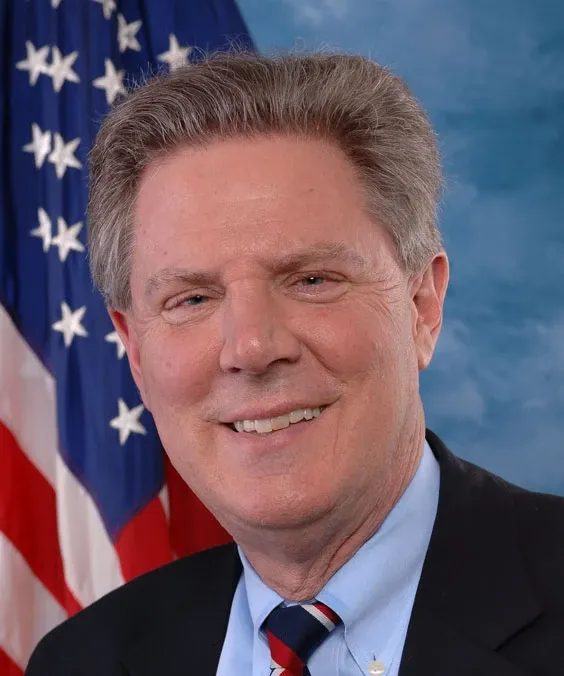
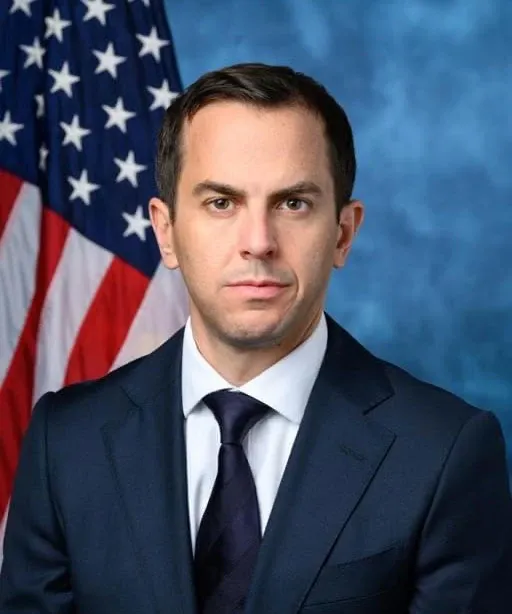
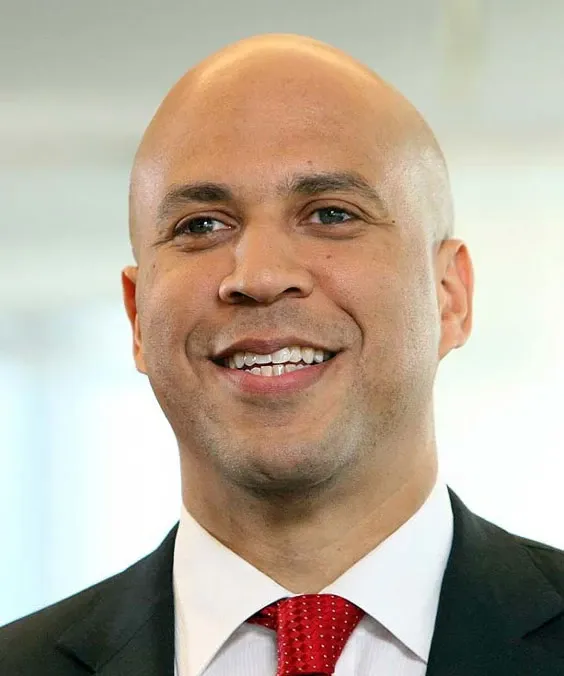
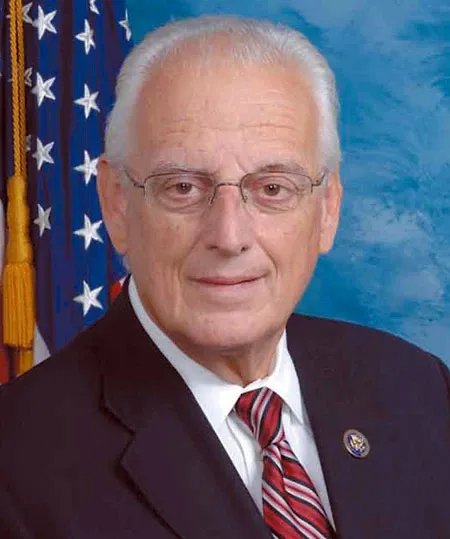
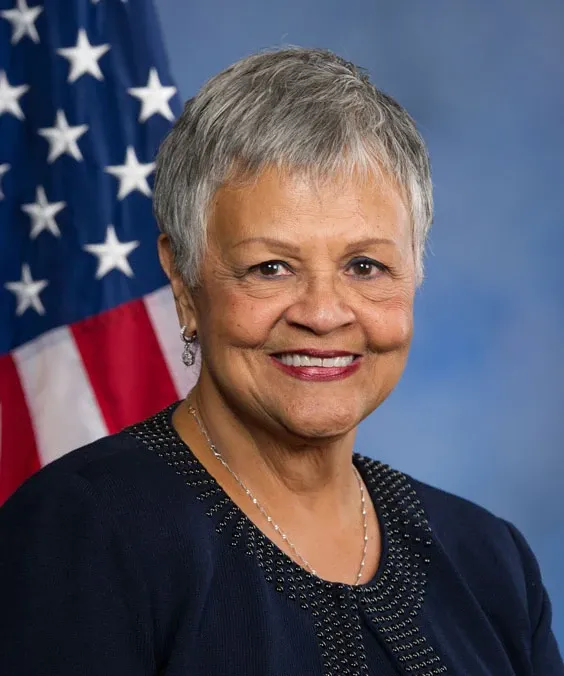
Politicians like Woodrow Wilson