Woodrow Wilson
The Public Record
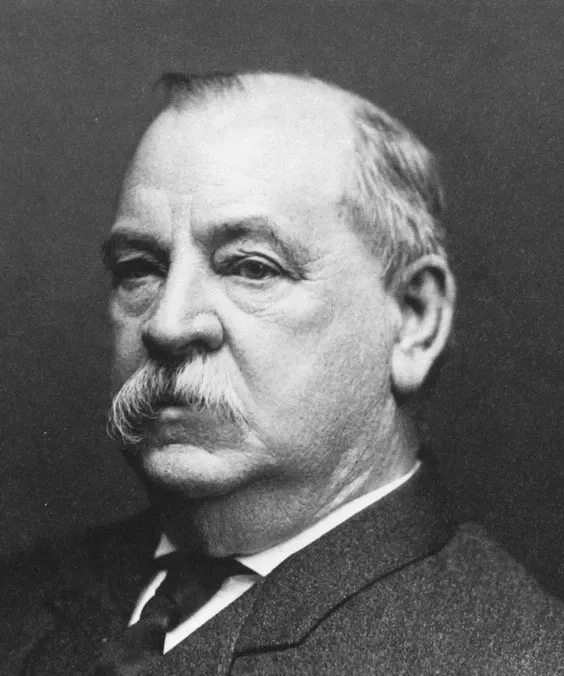
Woodrow Wilson was the 28th President of the United States, serving from 1913 to 1921. A member of the Democratic Party, he was born in Virginia and raised in Georgia before moving to New Jersey, where he became a prominent political figure. Wilson was a key leader of the Progressive Movement, advocating for reforms such as antitrust legislation and the establishment of the Federal Reserve System. His presidency is also noted for significant events such as the United States' involvement in World War I and his efforts to promote the League of Nations, an international organization aimed at preventing future conflicts.
Three and a half million children are facing starvation in Central Europe.
Dishonorable discharge, in itself a severe punishment, should be adjudged and approved only when it is clear that the accused should be separated from the service.
A court shall not, by a single sentence which does not include dishonorable discharge, adjudge against a soldier:
The reviewing authority should suspend the whole of a sentence when it appears to him that such action will promote the discipline of his command.
Nothing in this proclamation shall be construed to abrogate or limit any rights and benefits conferred under the reciprocal arrangements with Denmark heretofore proclaimed.
Copyright shall include the special benefit of Section 1 (e) of the Copyright Act of March 4, 1909, namely copyright controlling the parts of instruments serving to reproduce mechanically the musical work.
Provided that the enjoyment by any work of the rights and benefits conferred by the Copyright Act of March 4, 1909, and the acts amendatory thereof, including the Act of December 18, 1919, shall be conditional upon compliance with the…
It now gives me pleasure to lay before the Congress, for its information, a statement of all the expenditures of the American commission to negotiate peace for the entire period of its existence from December 1, 1918, to December 31, 1919.
The United States cannot refuse this role of champion without putting the stigma of rejection upon the great and devoted men who brought its government into existence.
It is now our liberty and our duty to keep our promise to the people of those islands by granting them the independence which they so honorably covet.
I urge you to consider that the display of an immediate disposition on the part of the Congress to remedy any injustices or evils that may have shown themselves in our own national life will afford the most effectual offset to the forces…