They do not exempt spending. Here's what they say. As the gentleman knows, the structure of this bill is that increases in mandatory spending or decreases in revenue must be offset. There are four exceptions, the so-called ``doctor fix,''…
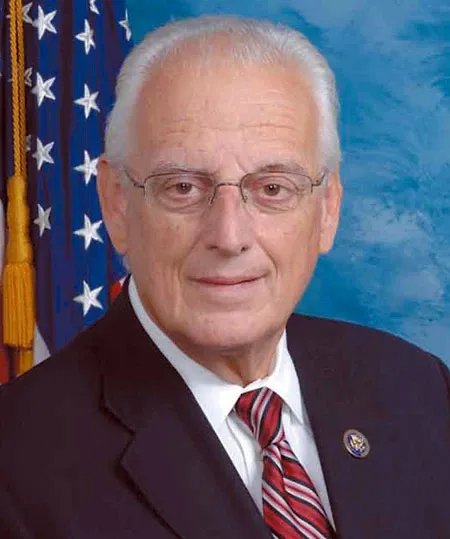
Rob Andrews
The Public Record
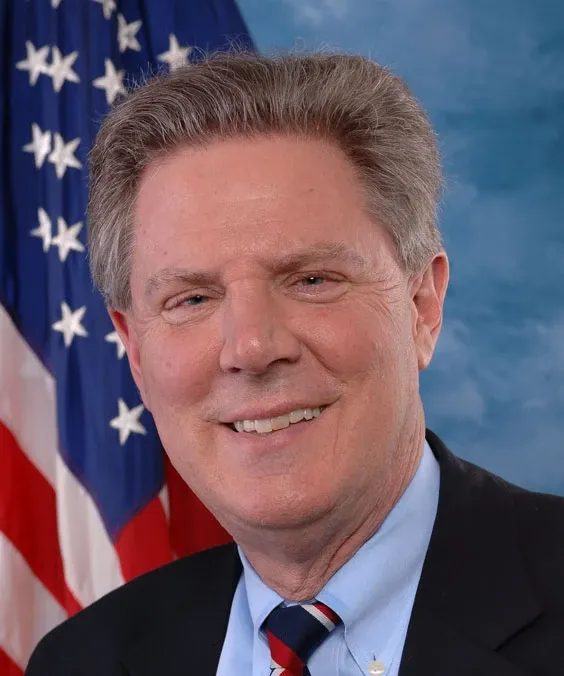
Robert E. Andrews is a former Democratic member of the United States House of Representatives, representing New Jersey's 1st congressional district from 1990 to 2014. During his tenure, he was known for his work on health care issues, particularly related to Medicare and home health benefits. Andrews served on several committees, including the Committee on Education and Labor, where he focused on education reform and labor rights. He was also involved in various initiatives aimed at improving the quality of life for his constituents in New Jersey.
The American public must be baffled by the charges and countercharges going back and forth. I would just invite, Madam Speaker, those listening to make their own decision based on two facts. First is that the gentleman from Kentucky said a…
The constituents that I listen to know that both parties are responsible for borrowing a lot of money. They know that we borrowed a significant amount of money in recent times. They also know that the minority party voted to borrow and…
The second way to reduce health care costs is to change the health care system so there is more competition, so that insurance companies have to compete for people's business and keep costs down that way. We'll all have a chance to vote on…
The pages the gentleman is talking about are what are called the sequestration rules; and what that means is, if the Congress violates pay-as-you-go, and it spends more than it should under those rules, then there is an automatic reduction…
I certainly subscribe to the idea that, if we do not deal with the exploding budget deficit and the resulting debt, that the programs most likely to be hurt and the people most likely to be hurt are the ones we are talking about this…
the moral equivalent that it creates between a young man who is just trying to be a peaceful student and someone who has decided to make his life miserable--to equate those two morally is very, very disturbing.
If I may, I think that your story is sadly typical, that young people who speak up and who are the victims of these problems somehow get classified as the problem themselves.
I think it is fair to say there is a consensus on the committee that we want to use the vehicle of No Child Left Behind to enhance the growth and quality of charter schools throughout the country.
It is the height of irresponsibility to add to that liability; rather, you should be working to whittle it down.
The ranking member also in his opening statement talked about--he made an analogy to the auto industry. And it seems to me the analogy falls apart in that although we did advance a substantial amount of money to some auto industries, we…
So, the way this is working now that an institution gets taxpayer money, lends it out, and then we pay them a premium on top of what the student would otherwise pay to reward them for taking a risk with our money? Is that essentially right?
the taxpayers are absorbing the risk of that capital not the person in the private sector.
I am glad to hear that my friend from California, Mr. McKeon believes that competition between public and private is a good thing.
With respect to 60 percent of what is being called private loans here this morning, with respect to 60 percent of those loans the taxpayer is, in fact, absorbing the risk and we are paying someone a premium to take a risk with our money…
I would say emphatically no to all those questions. That state laws aren't working, and they are not working because there is proof positive in Cedric's case that there was no communication evidently between Texas and Virginia.
I know it is sort of baked into the cake in our debates around here. The people say, well, let the states handle this problem. I don't think the states have done a terribly good job handling this problem.
If you had to get these drugs to a lot of people in a hurry, how do states typically do that?
Do the drafters of these plans have to pay special attention for people who do not have health insurance and therefore do not have primary care?
I raise this issue because the chairman and a good chunk of the staff here is spending an inordinate amount of time on the health care reform issue, thank goodness, and this strikes me as yet one more compelling example of why we need…