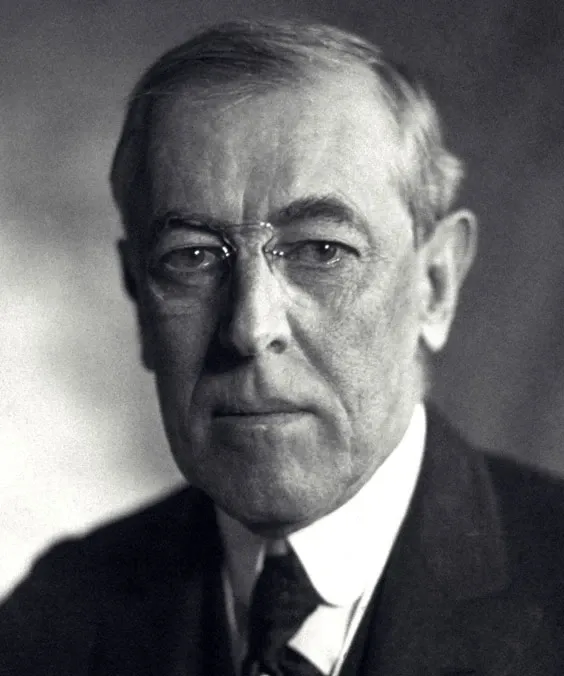
Dec 2, 2014
I certainly have appreciated working with you. It has been very easy to work with you on a bipartisan basis.
The Public Record
Frank Joseph Pallone is an American politician serving as the U.S. Representative for New Jersey's 6th congressional district since 1993. A member of the Democratic Party, Pallone has been a prominent advocate for health care reform, environmental protection, and consumer rights. He has played a key role in shaping legislation related to public health and climate change, often speaking out against policies he views as detrimental to these areas.
I certainly have appreciated working with you. It has been very easy to work with you on a bipartisan basis.
Yet, there are some ideas that are worth further examination, such as the ADAPT Act introduced by Congressmen Green and Gingrey.
In 2006, in my State of New Jersey, a 17-year-old honor student named Rebecca Lohsen went to the hospital and within days died from a resistant strain of MRSA.
While it is clear we should do more to encourage greater research in development of new drugs, it also makes sense that we should be investing in efforts to limit the further spread of drug resistant bacteria strains and make the best use…
In order to close the debate. The frustrating thing for me and for so many of us on the Democratic side of the aisle is that we know how successful the Affordable Care Act has been, and yet the Republicans continue to negate the positive…
I have no other speakers at this time, and so I yield back the balance of my time.
I have no additional speakers at this time. I urge passage of the bill, and I yield back the balance of my time.
I have no further speakers at this time, and I yield back the balance of my time.
I rise with great pride to be speaking in support of H.R. 669, the Sudden Unexpected Death Data Enhancement and Awareness Act. This has been an issue that I have worked on for many years in Congress. In particular, it is one of the many…
This is why we have regulation, and it is why the FDA has proposed commonsense changes that merely bring safety regulations up-to-speed with medical progress.
Advances in science and technology have enabled labs to develop more sophisticated tests that allow physicians to identify genetic factors in diagnosing disease.
Identifying the HER2/neu gene in patients allowed oncologists to target this unique form of breast cancer with the drug Herceptin, instead of radiation, vastly improving patient outcomes.
Politicians like Frank Pallone