Mar 28, 2017
the choices we make in providing tax benefits to one type of generation versus another have real world impacts on the energy sector.
The Public Record
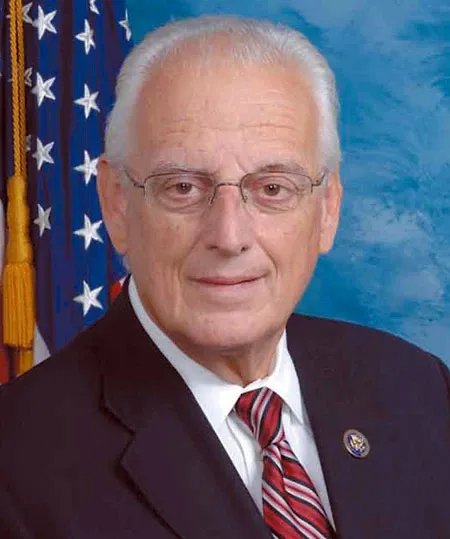
Frank Joseph Pallone is an American politician serving as the U.S. Representative for New Jersey's 6th congressional district since 1993. A member of the Democratic Party, Pallone has been a prominent advocate for health care reform, environmental protection, and consumer rights. He has played a key role in shaping legislation related to public health and climate change, often speaking out against policies he views as detrimental to these areas.
the choices we make in providing tax benefits to one type of generation versus another have real world impacts on the energy sector.
the rationale behind putting a price on those emissions is to internalize them and give firms an incentive to take them into account.
The Federal Government should be incentivizing technologies that are cleaner, safer, and more protective of the health of all Americans.
If we are to move down this path of examining tax subsidies we must also consider all subsidies, direct, indirect, and regulatory.
Tax subsidies are among the policy drivers least understood by the general public.
Thank you, Mr. Chairman. Thanks for holding this hearing on how tax policy affects our Nation's energy policy.
It wasn't until the early 1990s that the Federal Government began to provide meaningful tax credits for energy produced from renewable resources.
the fossil fuel industry likes to overlook the greatest market distortion that exists and that is the public health, environmental costs of pollution.
Politicians like Frank Pallone