Instead of using the same test, the military uses a simple questionnaire for postdeployment screenings--a written questionnaire. These assessments are not comparable. They do not detect changes to a soldier's brain. Just like in sports, the key to pre- and postinjury assessment is to use the same tool. When you have a baseline, you are better able to compare. As cochair of the Congressional Brain Injury Task Force, I recognize the need to help both our military and civilian populations in addressing brain injury. My amendment, which is endorsed by the Iraq and Afghanistan Veterans of America, which has bipartisan support, ensures our troops are given the proper cognitive screenings today and in the future. I ask my colleagues to support my amendment. Mr. McKEON. Mr. Chairman, I yield 3 minutes to the gentleman from Indiana (Mr. Pence). (Mr. PENCE asked and was given permission to revise and extend his remarks.)
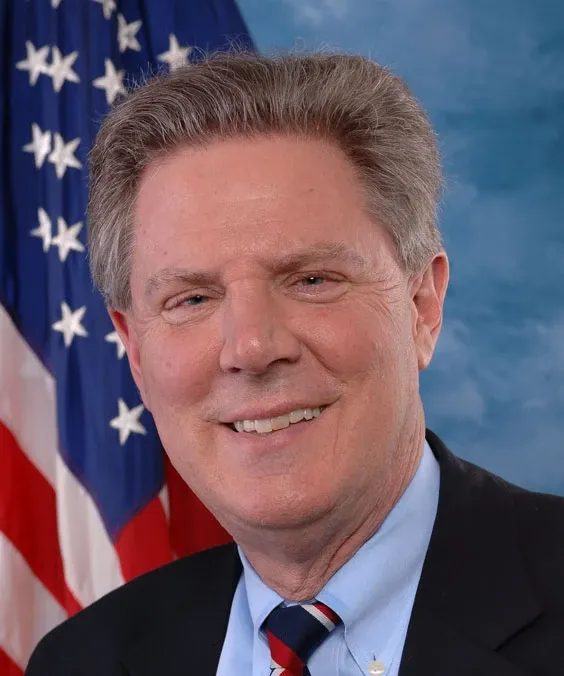
On the recordMay 27, 2010
Source
govinfo.govShare & report
More from Bill Pascrell
May 11, 2023
Sir, you took the rest of my time. The SPEAKER pro tempore. The gentleman's time has expired.
May 15, 2023
I associate myself with Mr. Rutherford's words. Madam Speaker, I am always proud to stand in support of our brave law enforcement officers, those officers who suit up every day. That is especially true during National Police Week. Our…
Jan 31, 2024
The enhanced Child Tax Credit enacted by Democrats in 2021 slashed childhood poverty in half. I repeat: in half. It is not hyperbole to call it one of the most successful policies ever passed by this Congress. And it is a tragedy its…
Jan 16, 2024
I strongly encourage my colleagues to support this commonsense measure today. Mr. Speaker, I reserve the balance of my time.