Jun 12, 2024
These partnerships bring together businesses, workforce development organizations, and higher education programs to ensure that training services are meeting the real-time needs of their employers.
The Public Record
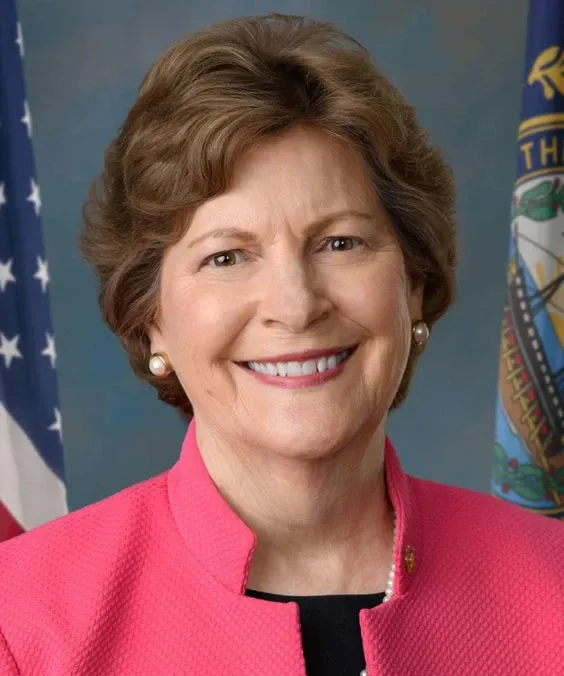
Maggie Hassan is an American politician serving as the junior United States senator from New Hampshire since January 3, 2017. A member of the Democratic Party, she previously held the position of the 81st governor of New Hampshire from January 3, 2013, to January 5, 2017. During her tenure as governor, Hassan focused on expanding access to healthcare, improving the state's economy, and addressing issues related to education and infrastructure.
These partnerships bring together businesses, workforce development organizations, and higher education programs to ensure that training services are meeting the real-time needs of their employers.
I look forward to continuing to collaborate with my colleagues on this important effort.
Striking the right balance between performance accountability and nonburdensome reporting requirements are accurately described as a challenge and concern.
Funding for programs authorized under Section 166 of WIOA has declined significantly in the past several decades.
I've heard from some stakeholders who say WIOA reporting requirements are overly burdensome.
I would encourage you to think about workforce Pell as not only being just for adults without an education, but imagine the person with a baccalaureate degree who was displaced as a result of AI.
Thank you, Chair Sanders. And thanks to all of you for being here. It's a very interesting and important and timely conversation.
I think it's really important that we use those metrics that look at earnings and employment.
These partnerships bring together businesses, workforce development organizations, and higher education programs to ensure that training services are meeting the real-time needs of their employers.
Investing in workers' skills and training is an investment in our Country's economy and our global competitiveness.
I look forward to continuing to collaborate with my colleagues on this important effort.
Digital Skills Building is necessary in today's labor market to keep up with technological advancements.
Given the relatively higher rates of unemployment and poverty among Native Americans, this significant decline in funding makes it more difficult to provide adequate employment and training services to Native communities.
I think it's really important that we use those metrics that look at earnings and employment.
I think there's an opportunity here to redefine what many of us think about community colleges.
I've heard from some stakeholders who say WIOA reporting requirements are overly burdensome.
We should support community colleges in WIOA reauthorization by one codifying the Strengthening Community Colleges grants program.
I look forward to continuing to collaborate with my colleagues on this important effort.
I would encourage you to think about workforce Pell as not only being just for adults without an education, but imagine the person with a baccalaureate degree who was displaced as a result of AI.
As technology moves at such a rapid pace, people are going to also need to know how, along with their employers, to keep learning new skills.
Investing in workers' skills and training is an investment in our Country's economy and our global competitiveness.
Thank you, Chair Sanders. And thanks to all of you for being here. It's a very interesting and important and timely conversation.
These partnerships bring together businesses, workforce development organizations, and higher education programs to ensure that training services are meeting the real-time needs of their employers.
I introduced bipartisan legislation with Senator Romney to codify the Department of Homeland Security's national risk management process.
I introduced bipartisan legislation with Senator Romney to codify the Department of Homeland Security's national risk management process.
Politicians like Maggie Hassan