Jul 31, 2012
If you want to cause a sovereign debt crisis for France, the best thing you can do is have an enormous fiscal fight on Capitol Hill in January and February of next year.
The Public Record
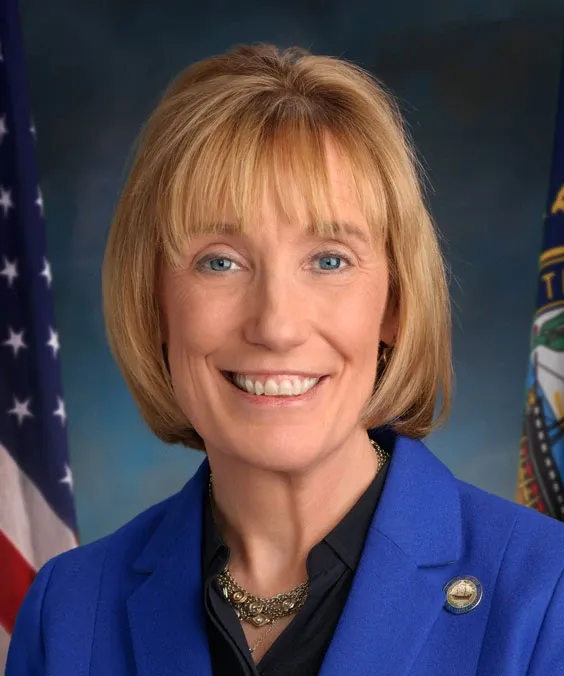
Jeanne Shaheen is an American politician serving as the senior United States senator from New Hampshire, a position she has held since January 3, 2009. A member of the Democratic Party, she is the first woman to be elected governor of New Hampshire, serving from 1997 to 2003. During her tenure in the Senate, Shaheen has focused on issues such as healthcare, education, and national security, often advocating for policies that support working families and promote economic growth.
If you want to cause a sovereign debt crisis for France, the best thing you can do is have an enormous fiscal fight on Capitol Hill in January and February of next year.
The most important thing we could do is to get our own fiscal house in order here.
Chancellor Merkel's call for more Europe and a fiscal and political union indicate German interest in moving toward further European integration.
At the end of the day, the bottom line is that America needs a strong Europe and vice versa.
First we have to get our own house in order in order to be credible in this discussion.
We need to coordinate where we can to support our European partners as they do what's necessary to put these crises behind them and resume creating growth and jobs on both sides of the Atlantic.
Austerity alone can't solve the complex series of problems. Long-term growth, competitiveness, and structural reform all need to play a role in the solution.
How Europe responds to this crisis and the lessons we draw from these events will have dramatic implications.
With wealth and power shifting away from the North Atlantic, this crisis can either divide the United States and Europe, leaving us both with reduced influence in the world, or it can be an opportunity for reforming and strengthening our…
The eurozone crisis will change the transatlantic relationship, but it should not define that relationship.
Austerity-only will not work and can lead to steeper borrowing rates and lower revenues, making the longer term challenges even more difficult.
The legitimacy of TIG's claim was validated by two final U.S. District Court judgments in 2001 and 2002.
Those of us who have listened, certainly the 40 percent difference between supply and demand ought to get everybody's attention.
So, how can we support leadership in the private sector to address these issues?
So through an organization called the Water Resources Group 2030, which is an entity that started in the World Economic Forum and is now formally housed in the International Finance Corporation--the sole mission of the Water Resources…
But how can the Federal Government be a partner in these kinds of initiatives?
One area where Government, I think, is beginning to recognize the importance of this nexus and address it is within the military.
Directing the Department of Energy to include water in its deliberations would be a very significant development.
We live in a world of constrained water supplies, with over 60 percent of counties across the country facing drought as we speak today.
If we don't collaborate with governments, with the private sector, with NGO's, with academia, there is no way we are going to be able to hit that goal.
Do the rest of you have recommendations for one significant change that we can make?
Politicians like Jeanne Shaheen