Sep 18, 2012
I certainly commend the Mayor of Prineville, who is here and all of those other individuals and groups who made this happen.
The Public Record
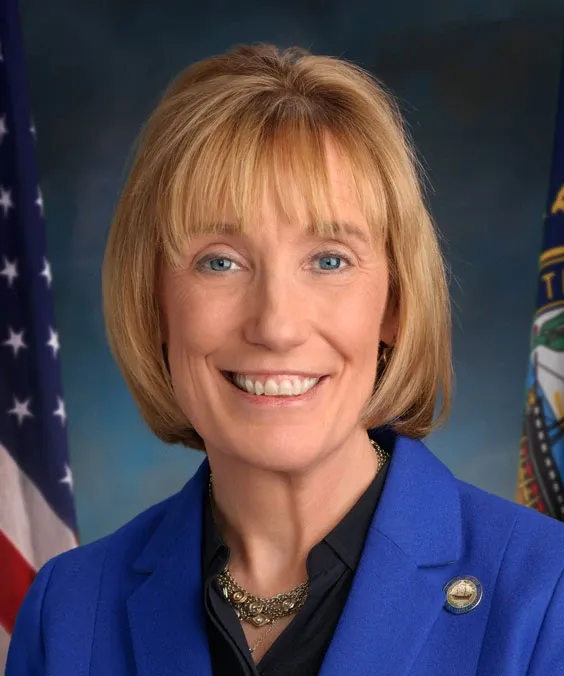
Jeanne Shaheen is an American politician serving as the senior United States senator from New Hampshire, a position she has held since January 3, 2009. A member of the Democratic Party, she is the first woman to be elected governor of New Hampshire, serving from 1997 to 2003. During her tenure in the Senate, Shaheen has focused on issues such as healthcare, education, and national security, often advocating for policies that support working families and promote economic growth.
I certainly commend the Mayor of Prineville, who is here and all of those other individuals and groups who made this happen.
So how do you respond to the concern that he raises that if a project has already gone through NEPA that it shouldn't have to go through it again if just to add the hydro, the conduit, into the canal or whatever the body is?
But it would still, based on that response, it would still require a NEPA process?
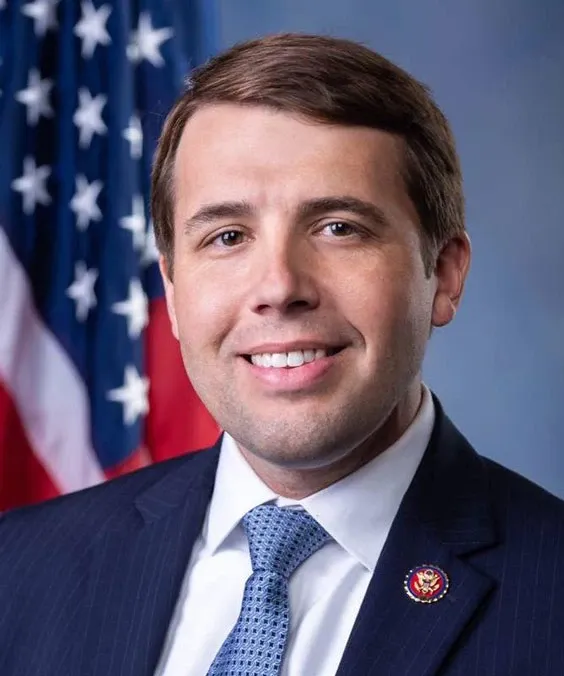
Clearly as I listen to Congressman Tipton testify on his legislation he was suggesting that for projects that would include hydropower in construction that had already been completed and had already gone through the NEPA process that it…
We would appreciate those letters for the record and accept them without objection and appreciate, very much, Congressman Tipton your testimony and your willingness to work with the committee as we look at the wording of the legislation.
Good morning. At this point I would like to welcome everyone. Clearly there's not a lot going on in Congress today.
Am I correct that one of the other successes of the Polish economy has been that their banking system was not affected by the fiscal crisis that we experienced here and in Europe?
One of the debates that's gone on has been austerity versus growth, and at what point do you need to include some growth measures along with austerity in order to provide hope.
If you ask the ECB to do more, you're asking it to provide more credit to the system, which will weaken the euro.
I think they're in an end game within which elites typically grab what they can, take the resources, move them offshore, get ready for being wealthy after the collapse; you can come back and buy assets.
I worry because we've allowed the IMF to become excessively dominated by the Europeans, who are largely in denial about the scope of their own problems.
There is no sovereignty left in Greece as far as economic policymaking goes.
I don't know how much capital would be necessary to safeguard the American financial system.
I'd like to pursue that a little more, because, Dr. Johnson, I think you talked about the extent of exposure.
So you're not optimistic, not only that the leadership in Greece will deliver the correct message to the public, but that they will actually be willing to undertake the reforms, and haven't been to date, that are going to be necessary in…
If we don't have our fiscal house in order by that time, we've got a lot more things to worry about than just how the dollar's going to compare against the euro, at least by my assessment.
I fear that if Greece leaves the euro, there would be a real loss of legitimacy of the government among the Greek people.
I want to go back to Greece because it's come up both from all of your testimonies.
Europe remains a key partner of the United States. It is the largest economy in the world.
It is reassuring that the ECB president last week said that the bank will do whatever it takes within its mandate to preserve the euro.
Can you elaborate on that a little bit in terms of what you think the effect will be on Britain's position in the EU?
I think the U.S. Congress should be aware of and be watching in terms of its own agenda in the future.
Politicians like Jeanne Shaheen