Apr 13, 2016
Hoop houses are very successful in New Hampshire. It has made a big difference.
The Public Record
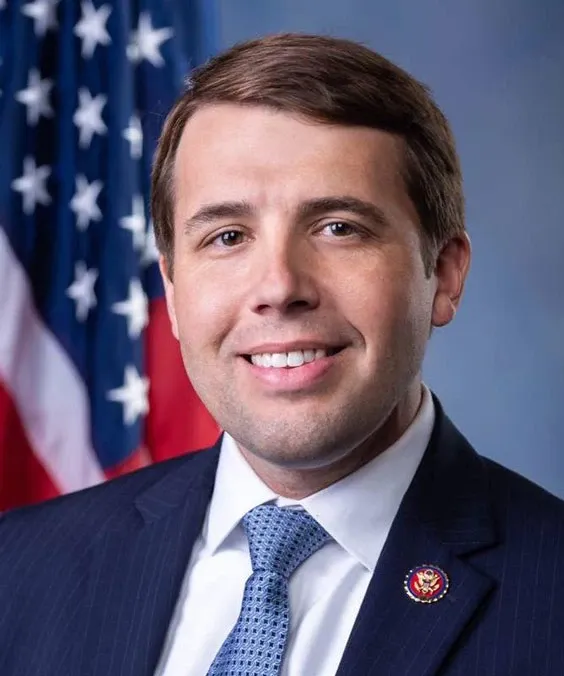
Annie L. McLane Kuster is an American politician serving as the U.S. Representative for New Hampshire's 2nd congressional district since January 3, 2013. A member of the Democratic Party, Kuster has focused on issues such as healthcare, women's rights, and economic development throughout her tenure in Congress. She has been an advocate for expanding access to affordable healthcare and has worked on initiatives to support small businesses in her district.
Hoop houses are very successful in New Hampshire. It has made a big difference.
I think each state is giving a section of the specialty crop where their research center can apply for the different grants.
I am one of only two Members from New England sitting on the House Agriculture Committee, and I have been proud to support the small family farms that are ubiquitous around my state and our entire region.
Thank you very much, Chairman Coffman and Chairman Benishek, and I appreciate you taking the time for this hearing, it's an important one, and to my Ranking Member Brownley.
We want to work with you, we want to solve this problem, we will go to our colleagues, Rs and Ds, and ask them for the funds, but we need some accountability.
we do have, in the rural communities, particularly bioenergy is a very big piece for us.
I thank my colleagues on both sides of the aisle for acknowledging the Women Airforce Service Pilots. My father was a P-47 fighter pilot in World War II, and he was able to access the benefits that were due him in terms of his military…
I know that we want to keep that as low as possible, but I am concerned, just given that the taxpayers are at the other end of this equation.
I just want to make a point, Representative Kaufman came to New Hampshire for a regional field hearing on our heroin epidemic.
But I am concerned, and I want to put this on the record right up front, that that not be used as a quality indicator in anything that you may be doing, because veterans have had a very challenging experience with this.
you have a tough job, but a very, very important job, so we appreciate what you do.
My constituents believe they shouldn't settle for slower download/upload speeds as compared to what is available in metropolitan areas.
I think it may be something that we can look into in a bi-partisan way of whatever needs to be done to keep this research moving forward.
As a matter of public policy, it sounds like it is an unintended consequence of what my colleagues, before I got here, were trying to do.
I am concerned about this decision of IOM to recommend not researching it and it sounds as though the panel might have been skewed toward, this is all in your head, which is not where we are coming from.
I am concerned that veterans who may have been improperly denied compensation and health care by the VA will not have a chance to submit a claim after this point.
I look forward to hearing from our witnesses today about whether another extension is warranted and necessary.
And I do want to acknowledge the improvement that is being made, and, you know, we want to work with you to make sure that we are serving our veterans.
Thank you very much, Chairman Coffman, and Chairman Abraham, and Ranking Member Titus, for holding this hearing on Gulf War veterans.
in the 25 years since the end of the Gulf War, many veterans have suffered from symptoms that are not readily identifiable or well understood, and still struggle to receive compensation for their illness.
I guess it seems to me the short-term solution is--and we have been talking up here about a bipartisan letter urgency the secretary to move toward this single DBQ.
Politicians like Annie Kuster