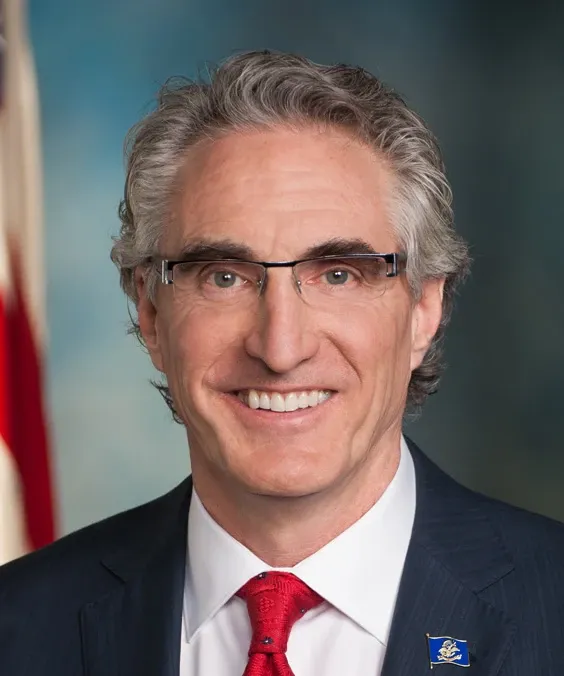
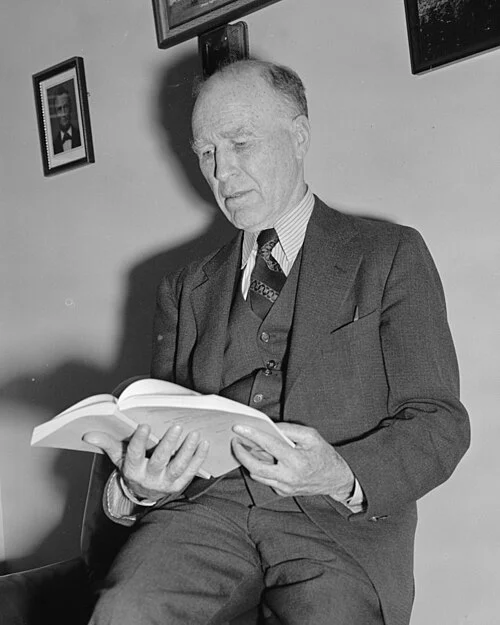
John Hoeven
The Public Record
John Hoeven is an American politician serving as the junior United States senator from North Dakota since January 2011. A member of the Republican Party, he previously held the position of Governor of North Dakota from 2000 to 2010. During his tenure in the Senate, Hoeven has focused on issues such as agriculture, energy, and infrastructure, advocating for policies that support North Dakota's economy and rural communities.
Apr 7, 2014
So at this point, you do intend to deacidify the books and manuscripts, but you intend to combine that with use of technology and some of the digital imagery?
Apr 7, 2014
But I think there has been some pushback from architects on this issue, and I am trying to better understand that.
Apr 7, 2014
Well, thank you both very much. Thank you for testifying here today and for all of the good work that you do for all of us here in the Capitol area and also for the taxpayers of this country.
Apr 7, 2014
I think that is all great, and, certainly, commend you for doing that. I think there will be a lot of interest.
Apr 7, 2014
Sure. Your increase for fiscal year 2014 is 12 percent higher than fiscal year 2014 enacted.
Apr 7, 2014
Are you going to have to make changes to your program based on what is going on?
Apr 7, 2014
Those estimates really are important, because they kind of determine whether we feel like we are getting a good bid or not, right, based on your estimates?
Apr 7, 2014
How are you determining when to acquire a book and when to acquire it electronically?
Apr 7, 2014
Mr. Ayers, thanks for being here, and we look forward to working with you on your budget, to do the best job we possibly can with the resources we have.
Apr 7, 2014
What about when they talk about the credibility, you documenting the contingency levels you establish...
Apr 1, 2014
This legislation is about making sure foster homes are safe, not only on our reservations in North Dakota, but across the Country.
Apr 1, 2014
The proposed legislation would, among other things, expand background check requirements for all adults residing in prospective foster care homes.
Apr 1, 2014
This brings me to the proposed Native American Child Safety Act currently introduced by Senators Hoeven and Tester and co-sponsored by Senators Barrasso and Heitkamp.
Politicians like John Hoeven