Apr 23, 2013
I will back him fully. I think that the Committee deserves better from the VA including a pledge to the Chairman to work in whatever fashion to make sure that this practice--I say practice because it is not an isolated incident--stops.
The Public Record
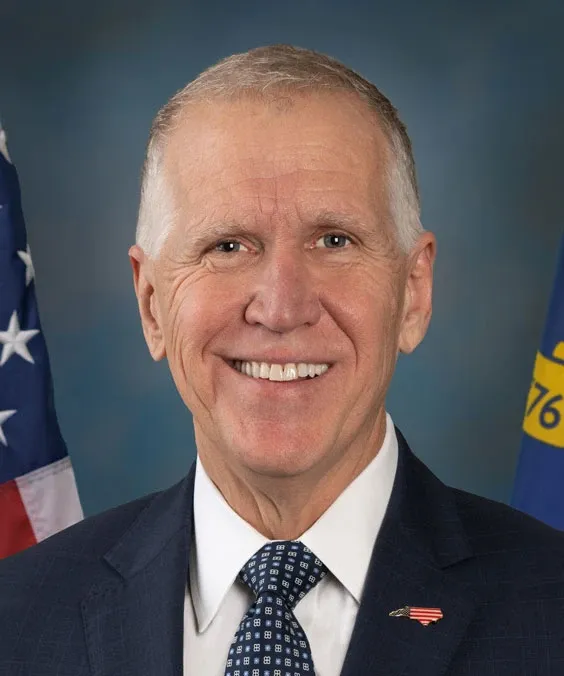
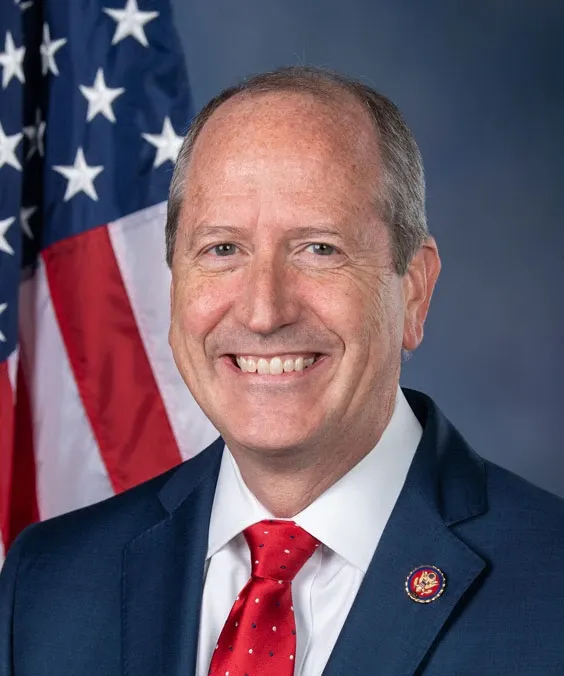
Richard Burr is an American politician serving as the senior United States senator from North Carolina since 2005. A member of the Republican Party, Burr has focused on issues such as veterans' health care and the relationship between the Department of Veterans Affairs and academic institutions. Throughout his tenure, he has been involved in various legislative efforts aimed at improving services for veterans and enhancing the efficiency of government programs.
I will back him fully. I think that the Committee deserves better from the VA including a pledge to the Chairman to work in whatever fashion to make sure that this practice--I say practice because it is not an isolated incident--stops.
I am not taking a shot at the VA. But all of you have something unique. You are finding people that they are not finding.
Let me ask on behalf of the Committee if you would provide those numbers for us and as well the metrics that you discussed in your opening statement that you have created to monitor it.
I think we are beginning to hear more and more that VA--from a standpoint of their delivery of services--maybe lacks the ability to reach out in a community-based way to figure out how much more they can bring to the table in providing the…
Mr. Chairman, let me say that North Carolina may be a unique State simply because of the military footprint that is there and the fact that we are the fastest growing veterans population in the country.
The initiative the will kick off in October. How many, if any, outreach programs were terminated and replaced by this program?
Your testimony states that HRSA has done research and found that more than 55 percent of clinicians continue to practice in the communities that need them the most 10 years after completing their service commitment.
The AAMC applauds subcommittee Chair Bernie Sanders and Ranking Member Richard Burr for continuing their attention to the gaps in access.
I think it is very dangerous that Congress look at ways that we can manipulate more primary care doctors.
I appreciate the chance to discuss today the primary care workforce challenges that we are facing, and the possible solutions to addressing such critical issues.
It is actually the private sector risk-takers today that are actually investing their own dollars to bring clinicians in to work with chronically ill patients.
I am going to ask you, if you will, to provide for the committee, the comprehensive list of those Work Force programs and their stated objectives, if you will.
Politicians like Richard Burr