Richard Burr
The Public Record
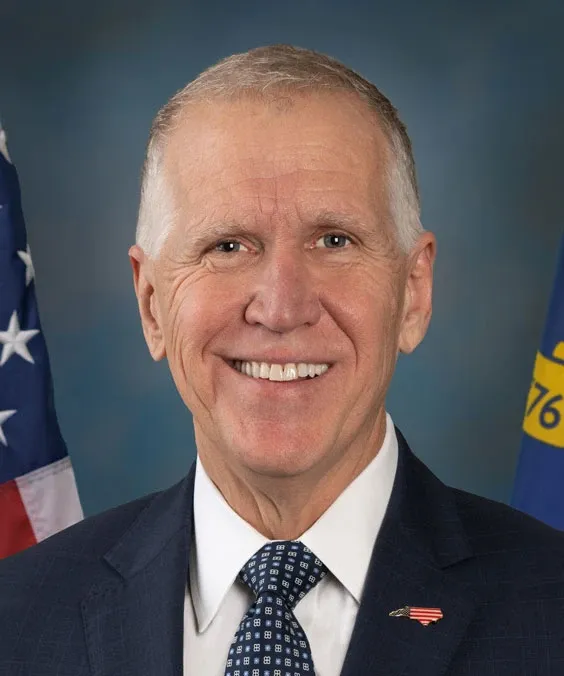
Richard Burr is an American politician serving as the senior United States senator from North Carolina since 2005. A member of the Republican Party, Burr has focused on issues such as veterans' health care and the relationship between the Department of Veterans Affairs and academic institutions. Throughout his tenure, he has been involved in various legislative efforts aimed at improving services for veterans and enhancing the efficiency of government programs.
Mar 1, 2011
My fear is that it would address even further the concern that Dr. Hooker has on the clinical side and eventually we find ourselves not talking about disability claims, we find ourselves talking about things we discussed two decades ago.
Mar 1, 2011
I would also note that I am as committed today, as I was during my early years on the VA Committee, to the belief that the Government can be fiscally responsible while still fulfilling its commitments to the most deserving among us.
Mar 1, 2011
I wish to take a moment in this Chamber to honor the passing of the last doughboy, Mr. Frank Buckles, the last of those World War I veterans. Mr. Buckles was America's last living World War I veteran and he died Sunday in West Virginia…
Mar 1, 2011
I believe that they are all multi-talented and passionate about the job that they do.
Feb 2, 2011
In most cases would you agree that within the DNI they take that raw data that is available and analyze that to get their own snapshot?
Feb 2, 2011
I would hope, with the coordinating role that you see Director Clapper in, that he could overcome those territorial boundaries and make sure, especially within the IC community, that we have the tools we need.
Feb 2, 2011
In my view, an additional problem was that key judgments of this NIE were publicly released.
Jan 31, 2011
Thank you, Mr. Chairman, and I thank you and Senator Murkowski for calling this hearing and for introducing the legislation.
Jan 31, 2011
It's used in 18 million procedures a year in the U.S. Every year, 18 million procedures.
Jan 31, 2011
If all those techniques, if all those tools were as good as Mo-99, we'd use them today.
Jan 31, 2011
Over the long run it costs less in the health care system. So we're talking about health care cost reduction.
Politicians like Richard Burr