Apr 11, 2011
One criticism of the section 1206 train-and-equip program is that assistance is provided to address emerging threats without sufficient assurances that the program will be sustained over time.
The Public Record
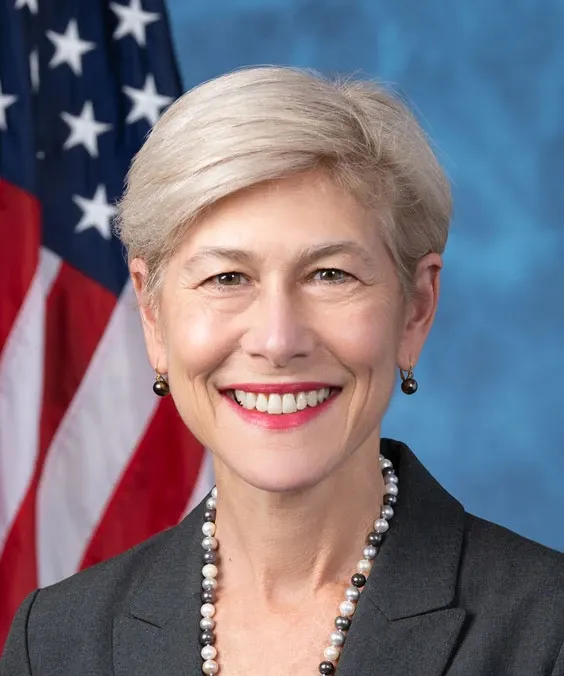
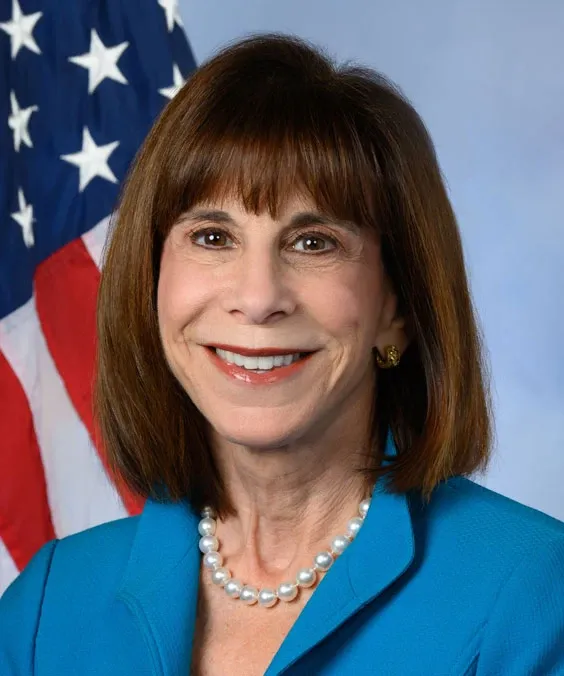
Kay Hagan is a former United States Senator from North Carolina, serving from 2009 to 2015. A member of the Democratic Party, she was the first woman to represent North Carolina in the Senate. Hagan focused on issues such as healthcare, education, and economic recovery during her time in office. She was known for her moderate stance and worked across party lines on various initiatives. Hagan lost her re-election bid in 2014 to Republican Thom Tillis, marking the end of her Senate career.
One criticism of the section 1206 train-and-equip program is that assistance is provided to address emerging threats without sufficient assurances that the program will be sustained over time.
Improving how the United States builds partner capacity is an essential national security requirement that will endure for the foreseeable future.
Mr. Reid, what do you believe is the appropriate role for Military Information Support Teams (MIST) in relation to these activities?
our ability to deliver equipment still lags behind, often taking 12 to 18 months
Are you confident that DOS is committed to making this initiative work jointly?
I was in Afghanistan in January and had an opportunity to go to the training center there for the ANSF and was quite impressed with the group that we saw.
Dr. Schear, today, the United States has military officers serving within the United Nations (U.N.) peacekeeping missions in Haiti, Liberia, and a few other peacekeeping missions.
I would think the success in Colombia, for instance, in partnering with the United States has led to greater security, stability, and partnership with the Colombian people.
Do you have any concern that this initiative is too much of a militarization of foreign policy?
the 1206 program was designed to provide a more flexible means to respond to emerging threats
Some observers contend that the national intelligence agencies focus their assistance on SOFs in Afghanistan engaged in direct action.
This is not a situation which would enable that country to withstand another major hurricane hit.
Increased U.S. contributions would also send a political message both to host nations and U.N. member states.
There's been discussion about arming the rebels or not arming the rebels. Certainly I think a lot of people are concerned about exactly who the rebels are.
Mr. Reid, has DOD developed plans for monitoring the outcomes of these projects, as recommended by a 2010 Government Accountability Office study?
do you believe that building the capacity of foreign security forces is a core function of DOD?
What remains the main impediment under the 1206 program to delivering equipment when it is needed?
Thank you, Mr. Reid. You certainly have a lot to oversee for the special operations-combatting terrorism.
In the decades to come, the most lethal threats to the United States' safety and security are likely to emanate from states that cannot adequately govern themselves or secure their own territory.
Mr. Reid, what criteria do you use to determine when a program should graduate out of the section 1206 program?
I do want to say that we're going to keep the record open for any colleagues that may have questions for the record, until the close of business day on Friday.
I think we obviously will ask for a closed session, and we'll try to schedule that together.
Mr. Reid, I understand that U.S. Special Operations Command (SOCOM) deploys personnel to work with country teams in many priority countries.
Politicians like Kay Hagan