Feb 1, 2022
I remain concerned pandemic aid is set to become endemic aid and that various issues caused by this Administration's own actions and, at times inaction, have caused my colleagues and their mouthpieces within the media to think emergency…
The Public Record
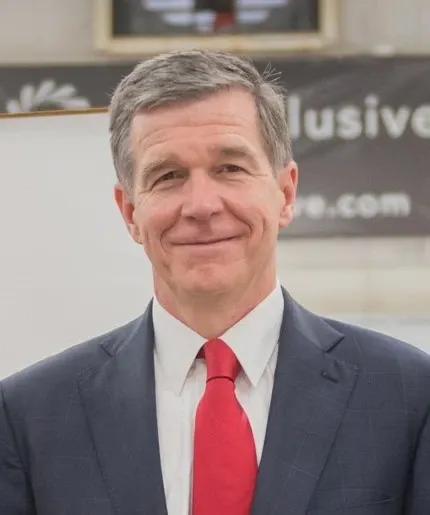
G. K. Butterfield is a Democratic politician from North Carolina, born on April 27, 1946. He served as a member of the U.S. House of Representatives, representing North Carolina's 1st congressional district from 2004 until 2022. During his tenure, Butterfield focused on issues such as healthcare, education, and civil rights, advocating for policies that support underserved communities. He has been a prominent voice for African American representation in Congress and has served in various leadership roles within the Democratic Party. Butterfield's career in public service also includes time as a judge and a member of the North Carolina Utilities Commission.
I remain concerned pandemic aid is set to become endemic aid and that various issues caused by this Administration's own actions and, at times inaction, have caused my colleagues and their mouthpieces within the media to think emergency…
Now, where we diverge is the reality that this one title will cost taxpayers nearly $1 trillion over the next 10 years.
Where we diverge is how to preserve the program for those in actual need without regulatory loopholes and fuzzy interpretations of the law, both of which exploit the very intent of the program.
I say to the gentleman that I am prepared to close. Mr. Davis is my friend, and I want the world to know that. I reserve the balance of my time.
At this time in the interest of time, I yield 30 seconds to the gentleman from Texas (Mr. Allred), my friend from Dallas, who represents the 32nd Congressional District.
May I inquire about how much time each side has remaining. The SPEAKER pro tempore (Ms. Clark of Massachusetts). The gentleman from North Carolina has 6\1/2\ minutes remaining. The gentleman from Illinois has 2\1/4\ minutes remaining.
I want to remind my friend from Arizona who just spoke that this bill sets uniform national standards for States that choose to require identification to vote. The bill gives States the flexibility--flexibility--to choose whether to…
I would ask my friend from North Carolina to refer to the bill section that refers to voter ID. It simply says this bill sets uniform national standards for States that choose to require identification to vote. Mr. Speaker, I yield 1…
Mexican criminal drug networks are mass producing illicit fentanyl and fentanyl-laced fake pills using chemicals sourced largely from China and are distributing these pills through U.S. criminal networks.
It is absolutely unacceptable that the Department of Justice is not participating in this conversation. Shame on them.
Among African-American individuals, the opioid overdose death rate increased by some 40 percent. This is tragic, and we must take action to address this trend.
As we consider legislation to address the opiate crisis, we must pay special attention to communities that have been historically marginalized.
I would like to offer my unconditional support for the Lumbee Recognition Act, which is S. 1364.
It is long past time for Congress to give the Lumbee the respect they deserve.
The Congress has an opportunity to do the right thing and fix an historic wrong by passing the Lumbee Recognition Act.
Anytime an office, you know, denies the request, there should be some inferences.
Thank you, Madam Chair. Again, thank you so much for this important and informative hearing today.
This bipartisan bill will help patients with chronic wounds stay healthy in their homes and avoid future complications.
We are the only industrialized nation with a maternal mortality rate that is on the rise.
I can feel your passion. And I just want to thank you very much for all that you do for the underserved communities all across the country.
For years I have said that the 1965 Voting Rights Act was written between Selma and Montgomery. The Voting Rights Act leveled the playing field and transformed southern electoral politics. Since the Shelby decision, the right to vote and…
Politicians like G. K. Butterfield