Apr 17, 2019
In North Carolina, that is basically a nonstarter. There is very little voting fraud in North Carolina.
The Public Record
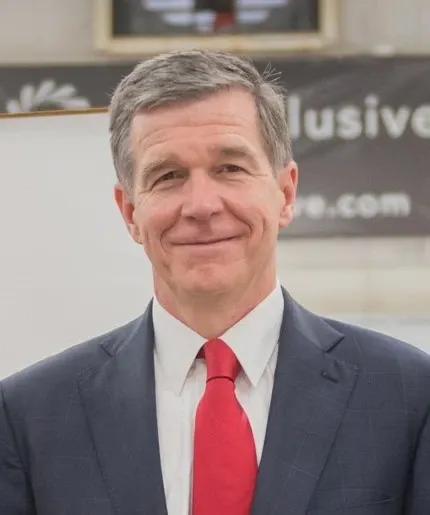
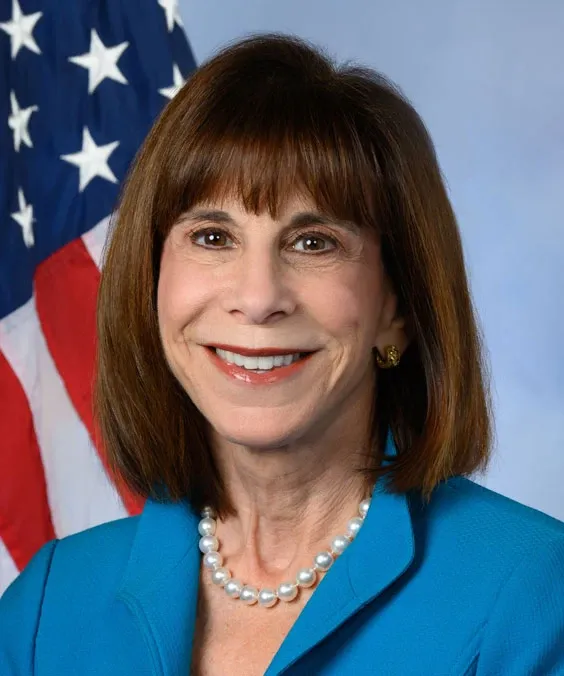
G. K. Butterfield is a Democratic politician from North Carolina, born on April 27, 1946. He served as a member of the U.S. House of Representatives, representing North Carolina's 1st congressional district from 2004 until 2022. During his tenure, Butterfield focused on issues such as healthcare, education, and civil rights, advocating for policies that support underserved communities. He has been a prominent voice for African American representation in Congress and has served in various leadership roles within the Democratic Party. Butterfield's career in public service also includes time as a judge and a member of the North Carolina Utilities Commission.
In North Carolina, that is basically a nonstarter. There is very little voting fraud in North Carolina.
I want to assure you that your testimony today will be in the Congressional record.
And in those jurisdictions, do you find African American communities and other minority communities submerged in these at-large systems and their votes are diluted?
Let me thank you, Chairwoman Marcia Fudge, for your friendship, and thank you for your leadership.
After the Shelby decision was made, the State came up with a voter ID requirement in North Dakota.
Please know that Section 2 of the Voting Rights Act is available to the citizens of North Dakota.
Thank you to the Chairwoman for convening this very important hearing today and thank you for your leadership.
And so certainly the citizens of North Dakota who have been disenfranchised and marginalized by voter laws certainly need to take up the right and to bring attention to action.
Did I understand that 1.4 percent of the--5.5 percent of the State's population is Native American--does that sound right, 1 out of 20, perhaps?--but 1.4 percent of the legislature is Native American? That is a huge disparity.
It is our responsibility, as Members of Congress, to protect the right to vote; not just for African-Americans or Native Americans or Hispanic Americans but protect the right to vote for every American.
I thank Chairman Doyle for yielding time this afternoon. Mr. Chairman, I rise today in support of H.R. 1644. Phone calls and letters from my constituents make it abundantly clear that they want to see broadband internet expanded in their…
Cutting their security, given what is going on, I know it is concerning to me because I want to make sure that we protect our diplomats.
Colombia is doing the right thing by taking care of these folks who are in crises.
the people of Venezuela--I think we would agree on this--are in crises, correct?
So we must lower the prescription drug prices, and I hear this from our veteran's population, our senior population, but the general population.
I remain committed to working with my colleagues on both sides of the aisle to achieve that desired result in a way that does not undermine progress and that has already been made.
Block-granting and capping Medicaid would endanger access to care for some of the most vulnerable people in the program.
It is probably the only Federal program that consistently comes in under budget with premiums that have remained largely unchanged.
The President's budget would rip some $1.4-1.5 trillion out of Medicaid by turning it into a block grant or a per-capita program.
Politicians like G. K. Butterfield