May 12, 2019
If you sell cocaine, you go to prison for four years. You get out of prison. You are a convicted felon.
The Public Record
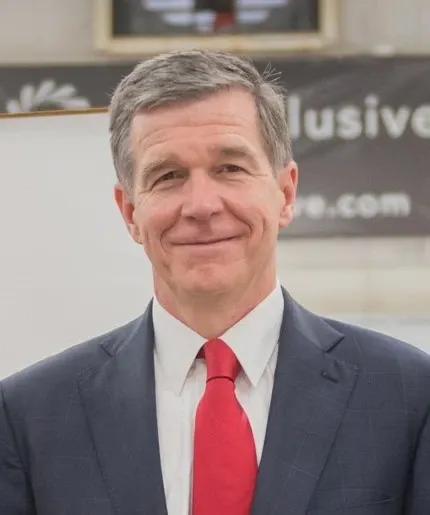
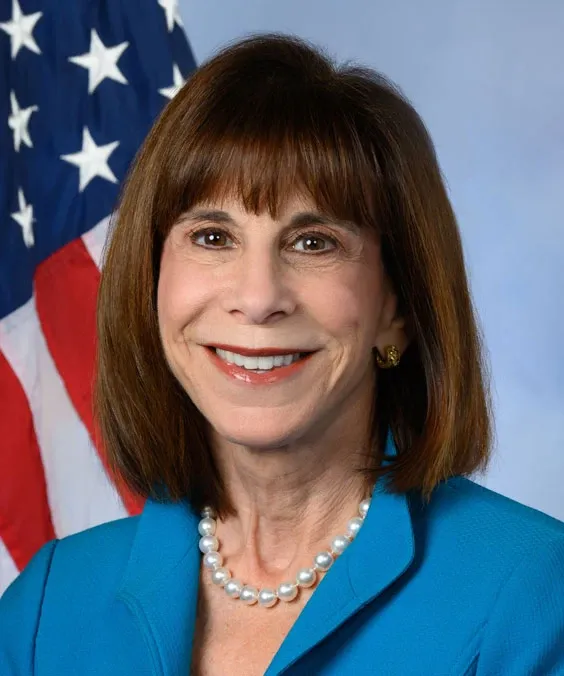
G. K. Butterfield is a Democratic politician from North Carolina, born on April 27, 1946. He served as a member of the U.S. House of Representatives, representing North Carolina's 1st congressional district from 2004 until 2022. During his tenure, Butterfield focused on issues such as healthcare, education, and civil rights, advocating for policies that support underserved communities. He has been a prominent voice for African American representation in Congress and has served in various leadership roles within the Democratic Party. Butterfield's career in public service also includes time as a judge and a member of the North Carolina Utilities Commission.
If you sell cocaine, you go to prison for four years. You get out of prison. You are a convicted felon.
We must recognize our faults and continue to move forward. We must progress.
There is as much voter discrimination and suppression today as there was in 1965.
The Voting Rights Act was enacted several days after I finished high school in 1965. It was a very powerful piece of legislation.
We are going to fully reinstate the Voting Rights Act, Section 4, as well as some changes that probably need to be made to Section 5.
But now the State of Alabama won't have to do that. So Alabama can just implement some maps. They can pack black voters into the 7th District or they can crack the black communities.
At the beginning of this Congress, House Speaker Nancy Pelosi looked among our Democratic Caucus and looked for one to lead this Subcommittee...
I represent a low-income district in eastern North Carolina, and so many of my constituents simply cannot afford drug prices.
The intrusions described in the Mueller report demonstrate just how important today's hearing is.
We know Russia interfered in our elections in 2016 and will likely try it again next year.
I think we need more information about who the vendors are, who works for them, what kind of security processes they have in place.
This is a Congressional hearing. We are collecting evidence that will be presented to the Congress of the United States of America.
these were practices and policies put in place, surgically crafted to hurt voters of color.
We are searching for evidence that will support or refute claims of voter suppression for minority citizens not just in Florida but across the country.
Section 2 allows minority plaintiffs to sue in Federal court if they feel that their vote is being diluted.
I can tell you, DOJ prevented many annexations that would have otherwise submerged African-American communities.
Don't you think we need some type of oversight from the Federal Government to make sure that local jurisdictions do not engage in very subtle acts of voter suppression?
But, sir, I have had 30 years or more of involvement with the voting section of the Department of Justice, and those men and women who comprise the voting section were world-class litigators.
We are determined to fix Section 4 of the Voting Rights Act, hopefully with bipartisan support, which was invalidated by the Court.
Politicians like G. K. Butterfield