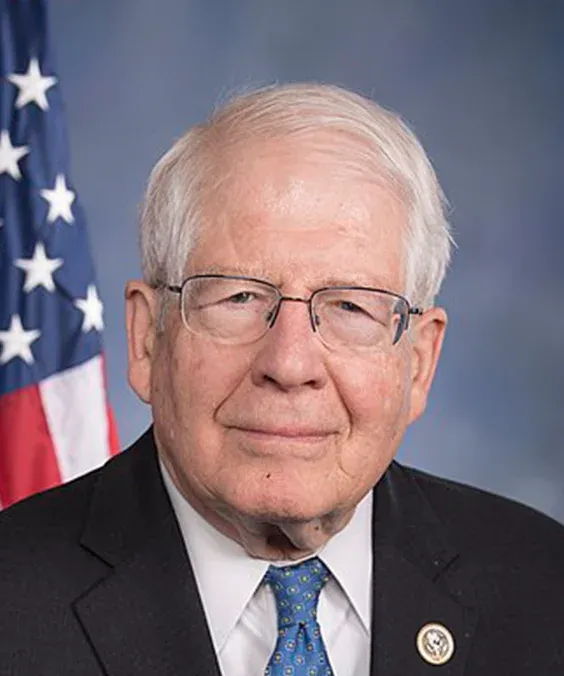
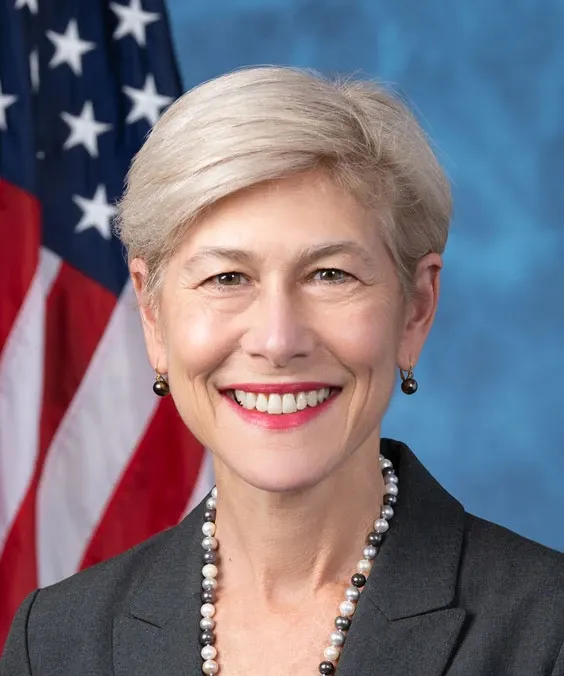
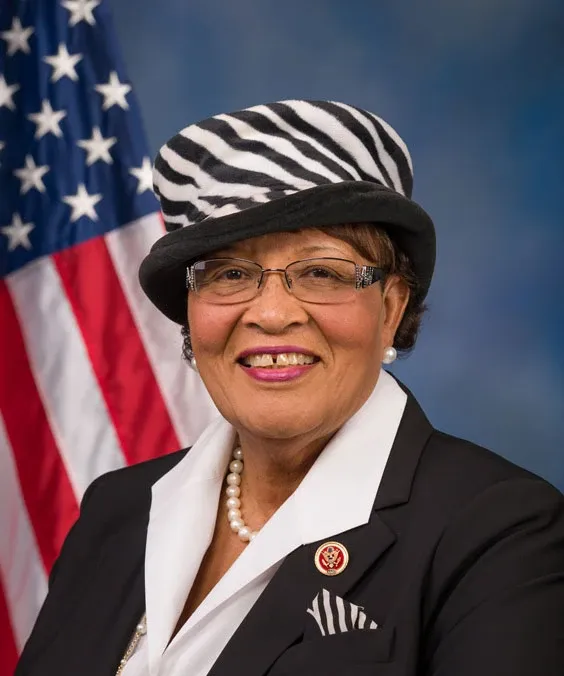
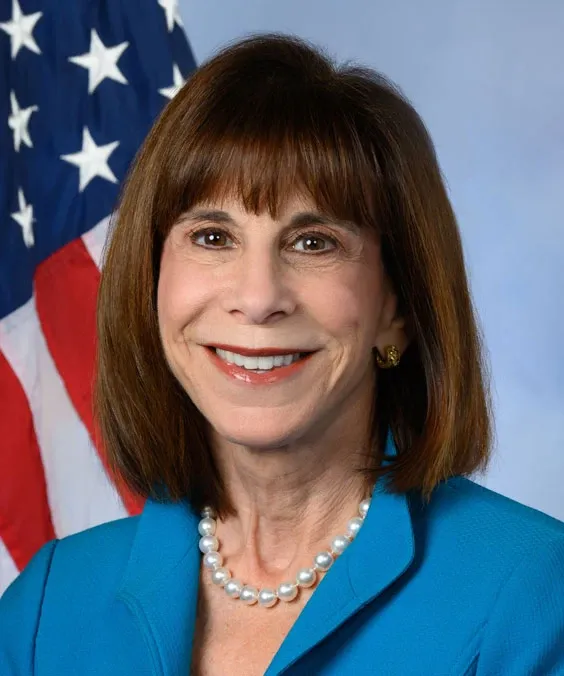
G. K. Butterfield
The Public Record
G. K. Butterfield is a Democratic politician from North Carolina, born on April 27, 1946. He served as a member of the U.S. House of Representatives, representing North Carolina's 1st congressional district from 2004 until 2022. During his tenure, Butterfield focused on issues such as healthcare, education, and civil rights, advocating for policies that support underserved communities. He has been a prominent voice for African American representation in Congress and has served in various leadership roles within the Democratic Party. Butterfield's career in public service also includes time as a judge and a member of the North Carolina Utilities Commission.
Sep 30, 2019
This is a Congressional hearing. As I say in all of these hearings across the country, this is not a political maneuver.
Sep 30, 2019
We are collecting evidence as we travel the country that will be entered into the Congressional record.
Sep 30, 2019
The reason for that was not because someone wanted to punish Arizona, but that meant, before 1972, there was a history predating 1972 of severe voter discrimination.
Sep 30, 2019
It was days after I finished high school, August 6, 1965. A very powerful law.
Sep 24, 2019
It is unacceptable that Americans are paying on average three to four times more for their drugs than patients and our neighbors to the north.
Sep 24, 2019
Over the past years that I've been here in Congress--I believe it's about 15 years that I've been here and 12 years on this committee--I've heard so many people say that they cannot afford their prescription medication, both in Medicare…
Sep 24, 2019
It's time for Congress to act in order to ensure the American people have access to and can afford the treatments that they need.
Sep 10, 2019
It is my hope and belief that this bill and others that we will consider will aid us in bringing the promise of the internet age to all Americans.
Sep 10, 2019
I wish Ms. Eshoo was still here. I would publicly associate myself with her remarks.
Sep 10, 2019
The data is crucial to understanding which parts of our country still lack adequate broadband infrastructure.
Sep 10, 2019
Our maps purporting to identify underserved and unserved areas remain absolutely inaccurate.
Sep 9, 2019
Many of the witnesses, Madam Chair, today have commented on the disgraceful and disturbing fact that African-American women are three to four times more likely to die from a pregnancy-related cause than their counterparts.
Sep 9, 2019
Extending Medicaid coverage for new moms is a vital step to ensure these women can continue to be cornerstones of our families.
Sep 9, 2019
Medicaid is a vital program for many families in my district and all of our districts.
Jul 15, 2019
I encourage you to continue to do that, continue to look at the diversity of the agency from top to bottom, and make it the most diverse police force in America that reflects the people that you represent.
Jul 15, 2019
I had nothing but positive experiences with both offices over the 15 years that I have been in Congress.
Jul 12, 2019
We get enormous criticism all across the country because we don't tell our story well enough.
Jul 12, 2019
We ran into a crisis a few years ago with the debt ceiling. You all remember the words 'debt ceiling'? That is how sequestration evolved.
Jul 12, 2019
We cannot direct the states with respect to their criminal justice system. We don't have that power.
Jul 12, 2019
As a country, we spend $4.7 trillion every year; $2.9 trillion of that is what we call entitlement spending.
Politicians like G. K. Butterfield