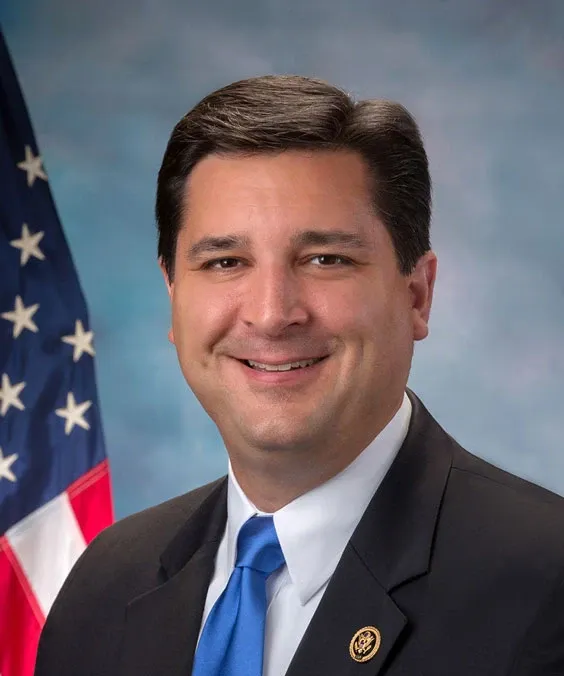
On the recordJanuary 5, 1995
My name is Fred Heineman, from the Fourth Congressional District in North Carolina. You will never detect a southern dialect in my speech because I was born and bred in the Bronx. The people of North Carolina did not concern themselves with where I lived or whether I was a Republican or Democrat when they recruited me from the NYPD to be their chief of police. Nor did any citizen ever ask me if I was a Republican or Democrat when I responded to a 911 call. Likewise, I did not ask them if they were a Republican or Democrat when I responded to their call for assistance. As a freshman Member of Congress I am privileged to serve with my colleagues who come here from professional life, to wit: three doctors, a dentist, a veterinarian, several lawyers, and others in various professions. I am sure that they were not asked what their political commitments were when questioned about serving their clients. Having conducted a cursory study of the background of my colleagues across the aisle, I find I am privileged to be in the company of professionals who I am sure are committed to working for the good of the people. So I see 435 legislators coming from various backgrounds to deal with the business of the people of this country as well as to impact profoundly on the rest of the world. Must we change and be other than ourselves when we come to Congress? Can we resist our commitments when we were first elected to this body and work for the people without regard to politics.
Source
govinfo.gov