Mar 5, 2019
I don't want to pass by the opportunity to thank you for the good work your people did in North Carolina and the Carolinas generally with Hurricane Florence last summer.
The Public Record
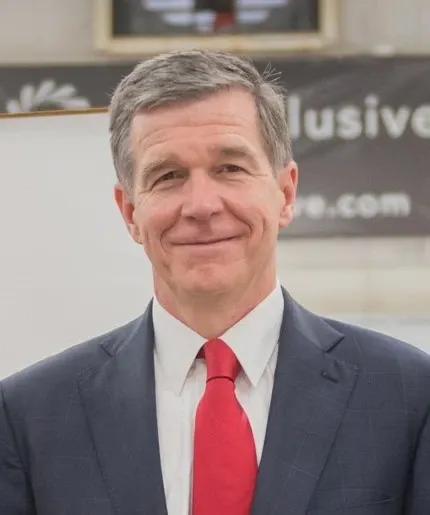
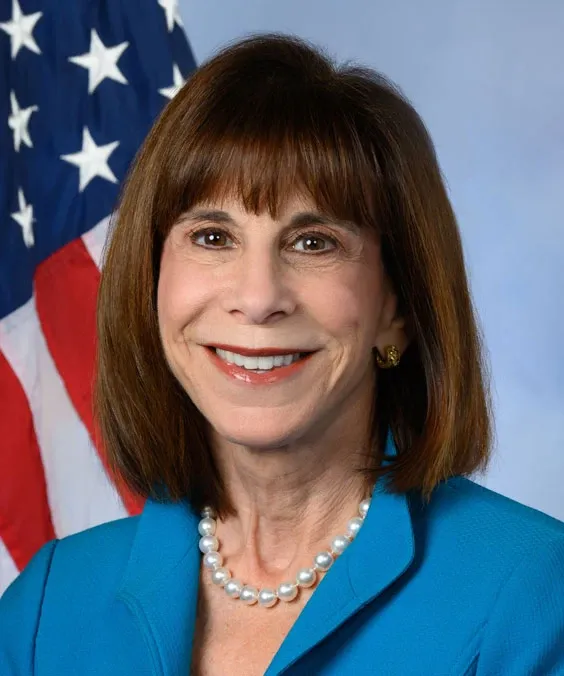
David E. Price is a former member of the U.S. House of Representatives, serving North Carolina's 4th congressional district from 1997 until 2023. A member of the Democratic Party, Price was known for his work on issues related to education, transportation, and housing. He played a significant role in various legislative efforts, including those aimed at improving public education and expanding access to affordable housing. Price also served on the House Appropriations Committee, where he influenced federal funding allocations for his state and district.
I don't want to pass by the opportunity to thank you for the good work your people did in North Carolina and the Carolinas generally with Hurricane Florence last summer.
the most significant barrier to ensuring the crucial U.S. assistance reaches the Palestinian people is the Trump administration's decision to indefinitely cut off such aid and end U.S. contributions to UNRWA.
This was, of course, an obvious case where prosecutorial discretion, and compassion and commonsense might have been applied.
Well, your, of course, your mandate covers the entirety of the Department and I am going to ask you about another subject that we have actually asked you to investigate.
That is a program funded jointly by the State and FEMA, and what it is aimed at is residents who might, with some temporary repairs, continue to live in their homes while the longer term repairs are being made.
We are having recovery--we are undertaking recovery efforts now and appreciate FEMA's cooperation.
As many have said, we are clearly approaching the 2020 election season. It is critical to ensure that our infrastructure for these purposes is properly supported.
I was pleased when the Congress passed the Disaster Recovery Reform Act last year, the first comprehensive emergency management reform package since Hurricane Katrina.
It doesn't make sense that you are providing--we are funding new vessels. We are funding new functions. But without an increase in maintenance funding, support for your personnel and their families, it just doesn't fit.
Now, the president has actually publicly threatened to cut all assistance to the Northern Triangle essentially as punishment for the ongoing outmigration that we need to figure out how to mitigate.
It was the first time I had focused on the need for in-country support, in-country assistance in these Triangle countries.
When the Trump administration came in and set up their first budget, they proposed slashing assistance to each of those three countries.
Our foreign policy and our immigration policy in recent years has focused on these countries by virtue of the migrant flows.
Now you are about to unveil a long-awaited peace agreement that you have drafted, no doubt with demands to follow, that the Palestinians be grateful for that plan and regard the U.S. as a fair-minded arbiter who respects their aspirations.
When we see people fleeing their home countries, women, children, families fleeing violence and corruption, we naturally look to the humanitarian conditions, the economic conditions in their home countries, what is driving the migration.
And this is the path forward, you are confident, to totally marginalize and alienate the Palestinian side?
We have paralysis moving this funding through the Northern Triangle because people don't know what the president wants.
And I am optimistic that what we are doing will give us a better likelihood that we will achieve the outcomes that will be better for both the people of Israel and the Palestinian people as well.
Politicians like David Price