Mar 16, 2010
You have no objection to the Congress working on tightening that definition up and being more helpful.
The Public Record
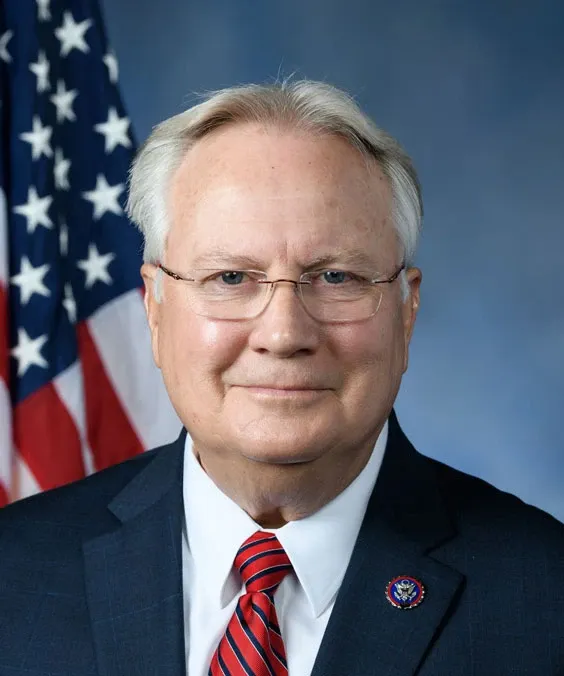
Roger Wicker is an American politician serving as the senior United States senator from Mississippi since 2008. A member of the Republican Party, Wicker previously served as a United States Representative from 1995 to 2008. Throughout his tenure, he has focused on issues such as national defense, economic development, and healthcare. Wicker has been involved in various legislative efforts and has held significant positions on committees, including the Senate Armed Services Committee.
You have no objection to the Congress working on tightening that definition up and being more helpful.
My first choice is that the FTC be given all of the authority over consumer protection law enforcement
Might it be that, if we provided the FTC with more resources, this 7-year average proceedings could be shortened?
Absolutely, Senator. And I'm a Republican, I should add. But, that was my view then, and it is my view now.
We need to make sure, as Senator Pryor and Senator Wicker mentioned, that the FTC has the resources it needs to pursue those who perpetrate fraud.
It's important to note that these are representatives of the very businesses we are relying on to create new jobs and put our constituents back to work.
The FTC plays a key role in ensuring the safety of American consumers and financial services.
I think many Americans might think that, 'Well, in the case of an agency with powers like this, we should keep that.'
I don't think, frankly, giving the Commission a whole lot of resources is going to solve the problem.
We want to ensure the FTC has the capabilities and resources necessary to keep our consumers safe.
I think there is also a sort of big-picture aspect to this. There are a lot of Americans out there who may not have read the details... States will be told that the magnificent Federal Government has increased coverage, and now, Mr. State…
So more local programming, quicker access to On Demand, and more content over the Internet.
Did we make a mistake by changing the focus and accessibility of American Centers and what is the future there?
Our ranking member on the full committee, Senator Lugar, has championed reversing this retrenchment of the American Centers.
I understand what Senator Kaufman and you are saying about expanding the budget. I also worry about the national debt.
The decision was made around 1998, 1999, to move those within the Embassy and, as you might expect, the attendance at these centers dropped considerably.
Public diplomacy represents an indispensable component of any viable foreign policy.
It's my hope that this hearing will allow us to identify some of the challenges faced by previous under secretaries.
Thank you, Senator Kaufman, for convening this hearing to evaluate the future of U.S. public diplomacy.
I am reminded of that when I hear about what is being discussed and what now seems to be the clear plan for this Democratic majority and President Obama in moving forward with health care legislation. The House has passed a flawed bill…
It is heartening to see that this proposed budget takes into account the public's input.
We need to be trading on an economically beneficial basis with partners like China, but stimulus dollars going to China and Malaysia and elsewhere around the world are not meeting the test of stimulating the U.S. economy.
Politicians like Roger Wicker