Apr 23, 2013
I look forward to working with you to ensure that our Armed Forces remain the best trained, best equipped, and most professional fighting force in the world.
The Public Record
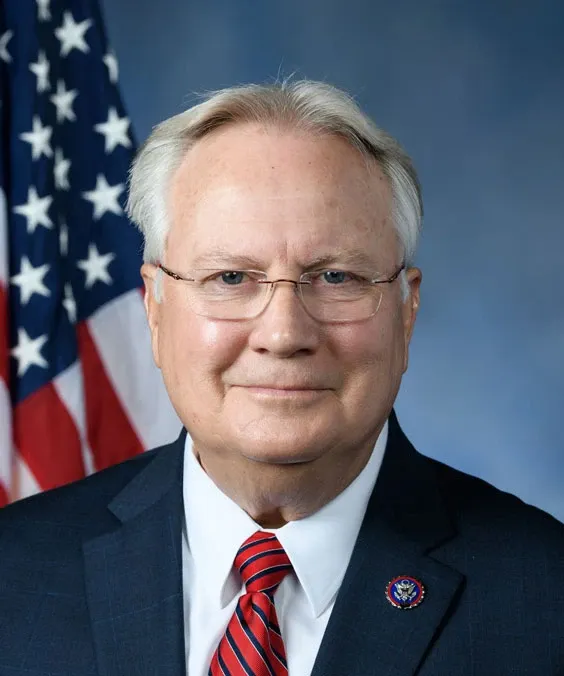
Roger Wicker is an American politician serving as the senior United States senator from Mississippi since 2008. A member of the Republican Party, Wicker previously served as a United States Representative from 1995 to 2008. Throughout his tenure, he has focused on issues such as national defense, economic development, and healthcare. Wicker has been involved in various legislative efforts and has held significant positions on committees, including the Senate Armed Services Committee.
I look forward to working with you to ensure that our Armed Forces remain the best trained, best equipped, and most professional fighting force in the world.
I remain deeply concerned about the fiscal year 2013 defense authorization conference committee decision, made behind closed doors and without consultation of all conferees.
General Davis, the Air Force has long stated its need to replace its 40-plus-year-old UH-1N fleet, yet you recently cancelled its replacement program.
I believe robust defense trade increases interoperability with our allies and reduces unit costs and it helps support U.S. defense industrial base.
These decisions should not be based solely on self-imposed resource constraints.
If sequestration continues into fiscal year 2014, there is a significant risk of not being able to deliver the full Block 3F combat capability and a reduction in the number of aircraft the Services can buy.
DOD appears to have prioritized the F-35 program with regards to sequestration and fiscal year 2014 budget cuts, but it too has been impacted.
I see a growing readiness and acquisition bow wave that will degrade the combat capabilities of our Services, negatively impacting our national security.
Affordability remains my number one priority, and I expect these cost estimates to continue to go down over the next several years as the program matures.
At under $6 million per copy it would seem that the UH-72 or a similar alternative could provide a very low-cost solution for the Air Force.
I remain deeply concerned about the National Defense Authorization Act for Fiscal Year 2013 conference decision--made behind closed doors and without consultation of all conferees--that enabled the Air Force to begin implementation of its…
Well, you made a very strong and clear statement about the value of this program, and I appreciate it.
I look forward to working with you on the Gulf Coast Ecosystem Restoration Council, which is part of the RESTORE Act, to make sure that it aligns with state priorities.
The national security cutter is absolutely the best-performing Coast Guard cutter we've ever had in our history.
Secretary Donley said on April 23 that the F-35A will cost more per hour to fly than the F-16 it replaces.
To see a wrong and not expose it is to become a silent partner to its continuance.
I am concerned that our failure to secure the release of Dr. Afridi will be seen by others as an indication that the risk of aiding the United States is too great.
General Dunford, do you believe that the screening program for prospective Afghan military and police forces is sufficient?
General Dunford, over the span of the Afghan conflict there have been many instances of attacks by Afghan forces on U.S. and coalition personnel.
General Dunford, are there additional capabilities that need to be made available to change the trend?
A one size fits all approach is not always the best strategy, particularly when jobs are threatened for no significant environmental gain.
It seems to me that this should be an occasion to celebrate the success of current policies, rather than to advocate more restrictive policies.
Despite a weak economy and high unemployment, the Administration continues to use EPA to push regulations that I fear will put more Americans out of work and at the same time achieve only minimal results.
Politicians like Roger Wicker