Feb 24, 2016
It is going to come as no surprise to my colleagues that I am going to talk about the Arctic.
The Public Record
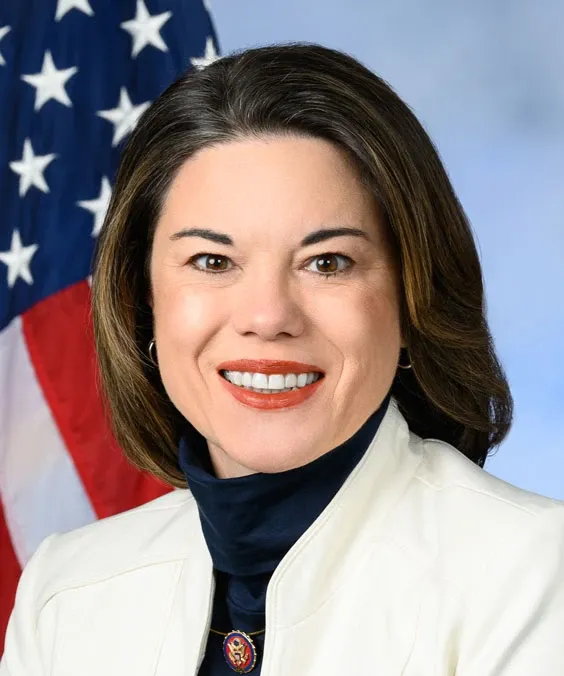
Betty Louise McCollum is a U.S. Representative for Minnesota's 4th congressional district, serving since January 3, 2001. A member of the Democratic-Farmer-Labor Party, she has focused her legislative efforts on education, healthcare, and environmental issues. Throughout her tenure, McCollum has been an advocate for policies that support public education funding, access to affordable healthcare, and initiatives aimed at combating climate change. She has also been involved in various committees and has played a role in shaping national policy on these critical issues.
It is going to come as no surprise to my colleagues that I am going to talk about the Arctic.
The Arctic is a resource-rich environment feeling the full effects of climate change.
A leading candidate for president is telling the American people and the world that torture works.
That is why last year working together in a very nonpartisan way, we increased funding for replacement school construction by $25 million.
In northern Minnesota, copper-nickel sulfide mining poses a threat to the water quality of Voyageurs National Park, and the Boundary Waters Canoes Wilderness Area.
I am not an attorney, but it has been my experience here in Congress that if things are clearly settled in a court, then it goes to the judgment fund.
I am concerned that those costs are being met at the expense of other important programs.
These investments are a good start, but so much more still needs to be done.
Mr. Chairman, maybe we should ask CRS, which has a Copyright Division, to get back to this Committee on that? Would that be helpful to all of us?
There is a mental health crisis in Indian Country, and Native youth have been particularly hard hit.
When Congress created the Office of Navajo and Hopi Indian Relocation in 1988, it did not envision that the office would still be operating 28 years later.
I have to say I was disappointed that the budget proposes to eliminate the Challenge Cost Share Program.
I just hope that we are not being too naive in who we are having do the contracting.
I want you to know that we value the research that USGS has done to better understand our water quality and use.
We have a moral and legal responsibility to provide healthcare for Native Americans.
The issue has been going on for too long, and now it is time to just resolve it.
We have to find a balance, Mr. Jenkins. But we have to be proactive because some of the things that are lurking out there are potential carcinogens.
The U.S. Forest Service is charged with sustaining the health, diversity, and productivity of our Nation's forests and grasslands, and that is no small deed.
America has a responsibility to meet its commitments to the Navajo and Hopi people.
Politicians like Betty McCollum