Oct 1, 2009
I am much more interested in looking forward, and, from what I've heard from economists, this idea--and we've seen it in countries all over the world--of stimulating the economy is part of the solution.
The Public Record
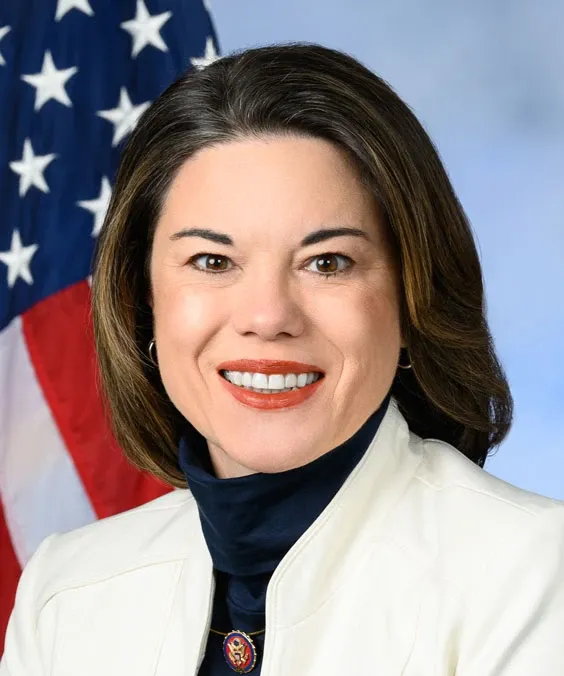
Amy Jean Klobuchar is an American politician serving as the senior United States senator from Minnesota since 2007. A member of the Democratic-Farmer-Labor Party, she has focused on issues such as healthcare, infrastructure, and technology during her tenure. Klobuchar has been recognized for her bipartisan efforts and has played a significant role in various legislative initiatives, including those aimed at improving access to healthcare and addressing climate change.
I am much more interested in looking forward, and, from what I've heard from economists, this idea--and we've seen it in countries all over the world--of stimulating the economy is part of the solution.
So the major sector that we're having the major debate about and would be arguably facing the greatest uncertainty has actually, in its response to government policies, has actually seen increases in employment?
Do you know much about the history of these extensions of unemployment benefits, and if they were set at a certain rate, which unemployed get them and which don't?
I was thinking back to the policies that got us there. We had eight years where, basically--there's plenty of blame to go around.
One of the ones I keep hearing about at home is the First-Time Homebuyers' Tax Credit
That's 4.9 percent, and then what is the unemployment rate for high school graduates?
From my perspective, what you have told us is that we have seen a leveling off of this job loss. However, we are still facing significant issues here.
Ben Bernanke, the Chair of the Federal Reserve, has been suggesting that our economy may be out of recession.
So, how many--when you include, forgetting the marginally attached ones, if you include these people that want to work full-time, but are only working part-time, who have significantly reduced hours and significantly reduced money as a…
Fifteen percent, and is that relatively the same margin we saw last month, or has there been any change there?
You have really set a new standard and a new mentor for people who farm and women who farm.
You know, one of the things I notice is that when kids have to walk, say, miles, in a mile zone, that makes a big difference.
I think because 50 percent of the food dollar is spent eating out, we need to have the same kind of disclosure, the same information for consumers to make wise choices.
I would agree that there is a low income aspect of this that is very difficult.
We need health in all policies approach, transportation policies, climate change legislation, child nutrition programs, the stimulus package, and of course health reform.
I think what we are talking about here are some of the trailers in Katrina and some of the other concerns from in wood products in homes and this long-term exposure.
All right. I just had one last question before we go on to our next panel, something I raised in my opening statement.
So you are talking about having some under-nourishment in the womb or when a baby is born?
I appreciate your looking into this, and I am sure we are going to focus on this more going forward.
And again, thank you for this answer. If I could just finish autism, and then we will move to this.
Politicians like Amy Klobuchar