May 14, 2013
Manufacturing remains central to the U.S. economy today, making up about one-eighth of GDP.
The Public Record
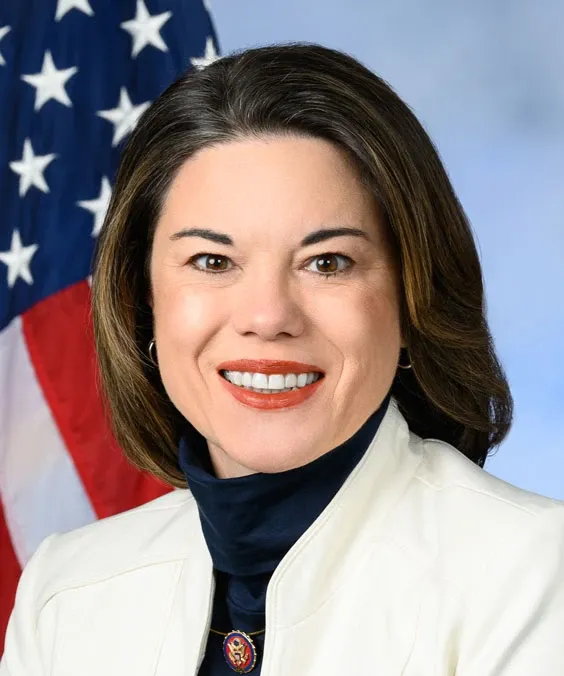
Amy Jean Klobuchar is an American politician serving as the senior United States senator from Minnesota since 2007. A member of the Democratic-Farmer-Labor Party, she has focused on issues such as healthcare, infrastructure, and technology during her tenure. Klobuchar has been recognized for her bipartisan efforts and has played a significant role in various legislative initiatives, including those aimed at improving access to healthcare and addressing climate change.
Manufacturing remains central to the U.S. economy today, making up about one-eighth of GDP.
I want to thank everyone for being here this morning to have this important conversation on the role of women in manufacturing.
We have to remember back through history how important this has been to our innovation economy.
We are going to be putting up that he is leading, and I'm the Democratic lead on, to actually take some of the money and put a little extra fee on the visas.
I always find it ironic that we have unlimited visas for sports players... but in fact we have our limits on scientists and engineers
We are a country of immigrants, and we have to remember that every single day.
We need to work together in a bipartisan way to get comprehensive reform done.
Comprehensive immigration reform is one of the pillars which will help us to build this strong economy.
I hope 1 day a score, and so the difference is once we've mandated that it has to be very clear and understandable that they get that.
I just think we have to somehow make it easier for consumers to understand that they get this credit report, and then hopefully we can add on a score to make it easier, because when there are all these errors they shouldn't have to pay to…
I'm glad they're undertaking some effort right now, but the fact is they may want to do it, but they're certainly not showing it with how they're investing their resources.
But it still was a hassle and it still for regular people delays them getting financing.
I'll just ask Mr. Rheingold to react, and Ms. Thomas last, if you could have the last word for my question, your reaction to all this.
I'm trying to compare that to the FTC report, because FTC looked at 3,000 credit reports.
That means 40 million of them have errors that could significantly affect their reports.
If banks said: Oh, guess what, 2 percent of our customers have less money than they thought they had, that would be a big scandal.
This is just one example of one guy in Minnesota, whose name was probably Nelson.
Politicians like Amy Klobuchar