Mar 29, 2011
Now, I would note that a little more recently during the debate over the Medicare Prescription Drug Improvement and Modernization Act of 2003.
The Public Record
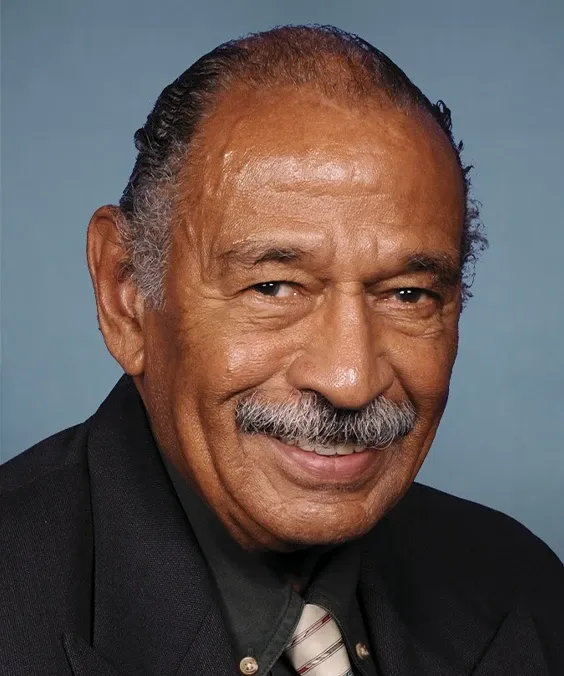
John David Dingell Jr. was a prominent American politician who served as a member of the U.S. House of Representatives from Michigan's 15th congressional district from 1955 until his retirement in 2015. A member of the Democratic Party, Dingell was known for his long tenure in Congress, making him the longest-serving member at the time of his retirement. Throughout his career, he played a significant role in shaping key legislation, including the Affordable Care Act and civil rights laws.
Now, I would note that a little more recently during the debate over the Medicare Prescription Drug Improvement and Modernization Act of 2003.
I disavowed them. I don't remember that the letter was addressed exactly to you.
the growth is so low that it doesn't even surpass projected GDP growth per capita over the next 10 years.
It denounces this hearing. It denounces the purposes of my Republican colleagues. It denounces the fiction that we are going to be hearing this morning from the other side of the aisle.
Defunding the Affordable Care Act is not legislating. This is like taking an eraser to an answer on a test, and then leaving it blank because you don't have a better solution.
Now, what about proposals that would reduce Medicare spending even further like the Ryan-Ribble proposal to voucherize Medicare.
Mr. Secretary, I note that your budget request for this year is 40 percent less than was requested in 2011 and that the 2011 request is 50 percent less than the 2010 enacted levels.
And would you also submit to us for the record how NRC is going to go about defining the lessons that you have learned about events in Japan and how you will incorporate them into your regulatory requirements?
I believe that in a state like California, with areas of high population coupled with the lingering risk of a major earthquake, it is particularly important for nuclear power operators to be held to the highest level of safety standards.
Now, Mr. Chairman, you have an unholy mess on your hands, you and the Department of Energy, with regard to Yucca Mountain.
Now, Mr. Chairman, it is my understanding that one of the main problems in Japan has been inadequate access to emergency power to keep the reactors cool and that that poses some substantial ongoing risk.
I would note with distress, I think you probably remember Diablo Canyon some years ago where they were going to build right on a fault.
We must learn from the tragedy in Japan and apply the lessons learned to our nuclear facilities in order to ensure that the potential risks are fully evaluated.
The current recession gives us the opportunity to re-orient U.S. trade policy toward the job-creating export of tangible manufactured goods.
I have heard from numerous entities that have applied for funding under Section 136 and I find that in the development of that, none of them have been able to tell me that it has been an entirely positive experience.
The President, in his State of the Union, said if the United States is to compete, we intend to out-innovate, out-educate, and out-build the rest of the world.
I think it would be helpful to both of us if you were to submit the answers to the record.
The answer, my beloved friend, is no. And I say this with respect and affection.
As we move forward, we still need to address the issues facing the disposal of spent nuclear waste.
President Obama recently announced that the KORUS FTA will create 70,000 jobs in the United States.
Will you commit that the Department of Commerce will do so vigorously, vigilantly and fairly?
Politicians like John Dingell