Nov 13, 2013
The Cohen amendment to limit the bill to asbestos trusts that do not have an internal fraud detection system is very appropriate. That is because, according to the Government Accountability Office, which has studied this and filed a…
The Public Record
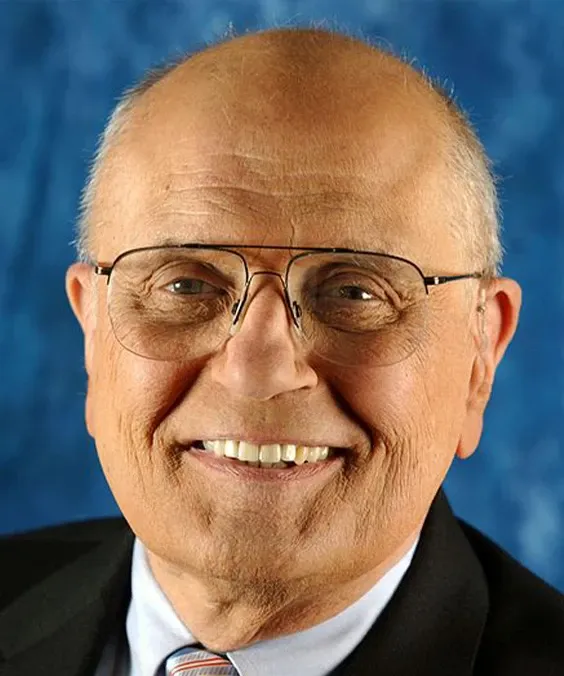
John Conyers was a prominent American politician who served as a U.S. Representative from Michigan from 1965 until 2017. A member of the Democratic Party, he was one of the founding members of the Congressional Black Caucus and played a significant role in advocating for civil rights and social justice throughout his career. Conyers was known for his commitment to issues such as healthcare, education, and labor rights, and he introduced legislation aimed at improving the lives of his constituents and marginalized communities across the nation.
The Cohen amendment to limit the bill to asbestos trusts that do not have an internal fraud detection system is very appropriate. That is because, according to the Government Accountability Office, which has studied this and filed a…
I am prepared to close. I think the case has been made that the asbestos victims do not benefit from this bill, that there is no widespread fraud or abuse, that all of the victims and their organizations are, in fact, strongly opposed to…
I am pleased to yield 2 minutes to the gentleman from California, Mr. Eric Swalwell. {time} 1515
I am pleased now to yield 2 minutes to the distinguished gentlelady from Texas (Ms. Eddie Bernice Johnson).
I am pleased to yield 1 minute to the leader of the Democratic Caucus, Ms. Pelosi.
I am pleased to yield 3 minutes to the gentleman from Atlanta, Georgia, Hank Johnson, and I would indicate his very deep concern for asbestos cancer victims.
I am pleased now to yield 3 minutes to the gentlelady from Houston, Texas, (Ms. Jackson Lee), a member of the Judiciary Committee.
Republican leadership intends to bring no immigration bill to the floor before the end of the year because there isn't enough time on the calendar.
Our colleague, Joe Garcia of this Committee, introduced another bill, H.R. 15, last month, and already the bill, to date, has 191 co-sponsors.
The Senate passed S. 744, a bipartisan immigration reform bill, in June, 139 days ago.
Emancipation was not a 1-day event; it was a promise, a promise written in the blood of all who lived in bondage and all who died to end it.
It's vitally important that we rein in such explosive growth and ask ourselves whether all of these laws and regulations are truly important.
I think this is an opportunity to take a long, hard look at the scourge of mandatory minimums.
We spend $51 billion on a so-called 'war on drugs,' and we even have 700,000 arrests for marijuana law violations.
We incarcerate more people proportionally than any other country on the planet.
The explosive growth of the Federal criminal code has played an important role in that.
Intellectual property, principally patents, are responsible for nearly one-third of all the jobs in U.S. economy.
There are few economic issues our Committee will face that are more important than whether and how to reform our patent laws.
Material submitted by the Honorable John Conyers, Jr., a Representative in Congress from the State of Michigan, and Ranking Member, Committee on the Judiciary
Politicians like John Conyers