May 4, 2011
The current system is broke, and you cannot fix it no matter how much we tinker with it.
The Public Record
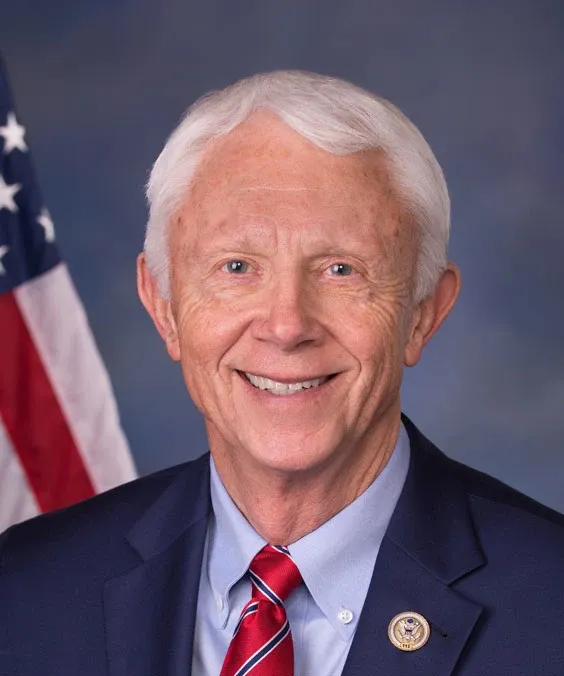
Fred Upton is a former U.S. Representative from Michigan, serving in the House of Representatives from 1987 to 2021. A member of the Republican Party, Upton represented Michigan's 6th congressional district. During his tenure, he was known for his work on issues related to healthcare, energy, and technology. He played a significant role in the passage of the Affordable Care Act's repeal and was involved in various bipartisan efforts, particularly in the areas of public health and environmental policy.
The current system is broke, and you cannot fix it no matter how much we tinker with it.
NRC must ensure nuclear power plants and other facilities under its watchful eye are built and operated safely and securely.
The American Energy Initiative is an ambitious effort to take on all of the energy-related issues that the Nation faces today and into the future.
Few subjects have a more direct impact on public health and the safety of the American people than our topic today, and I applaud the Chairman for convening this hearing.
I will be happy to take credit for the presence of Dr. Hamburg, and I am sure you would too, and not to quibble about whether she is a Republican or a Democratic witness.
It is something that the public needs. Americans are being killed either by bad stuff coming into this country that poisons them or makes them sick or they are being killed by being denied workable and worthwhile treatments and…
We're working against the clock a little bit; so I would prefer that we just do one and one and end it there on this amendment. Madam Chair, I ask unanimous consent that each side have 1 additional minute on this amendment.
We can accept one and one. Madam Chair, I ask unanimous consent that the majority and the minority each have an additional 1 minute on this amendment.
I would just urge again my colleagues to vote ``no'' on this amendment. The Acting CHAIR. The question is on the amendment offered by the gentleman from Texas (Mr. Cuellar). The amendment was rejected. Amendment No. 5 Offered by Mr. Murphy…
I think we have the right to close. How much time is remaining on each side? The Acting CHAIR. The gentleman from Texas (Mr. Olson) does have the right to close and has 1 minute remaining, and the gentleman from Texas (Mr. Cuellar) has…
May I ask how much time remains. The Acting CHAIR (Mrs. Emerson). The gentleman from California has 2\3/4\ minutes remaining.
If I might just enter in a brief colloquy with my friend, the gentleman from California. Each of us has about the same amount of time left. I have allocated my time; I presume you have as well. My remaining speakers are meeting someplace…
Last week, the Congressional Budget Office noted that the coverage provisions of PPACA would cost $1.445 trillion from FY2012-2021.
PPACA imposes massive new burdens on them that stifle growth and job creation.
We should be creating jobs, not destroying them, which is why many of us believe that we should repeal this job-destroying bill.
We just did mark the 1-year anniversary of the health care bill being signed into law last week yet today will be the committee's first chance to fully explore the true fiscal impact the law will have on our Nation's budget and job…
I am not straying from my support for safe nuclear energy as a vital component of America's present and future energy mix.
In the midst of a natural disaster and a tragedy that we are watching unfold literally hour by hour, we need to allow time for reflection and careful analysis and learn from their mistakes.
Given all of the energy challenges the American people face, this hearing on DOE and the NRC '12 budgets would have been a very important one even if it was held before the tragedy in Japan.
I firmly believe the key to growing jobs here in the U.S. is growing demand, and the key to growing demand is reaching consumers in the global economy.
Thank you, Madam Chairman. I want to commend you for holding this timely hearing, the second in a series investigating how we at the national level can foster an environment of job creation.
Well, thank you, Mr. Chairman, and again, I want to compliment you on the hearing.
I have asked our committee members to track down burdensome regulations that choke investment and destroy jobs.
Politicians like Fred Upton