Jul 18, 2017
I strongly believe that this straightforward legislation is a much-needed common-sense update to the ESA.
The Public Record
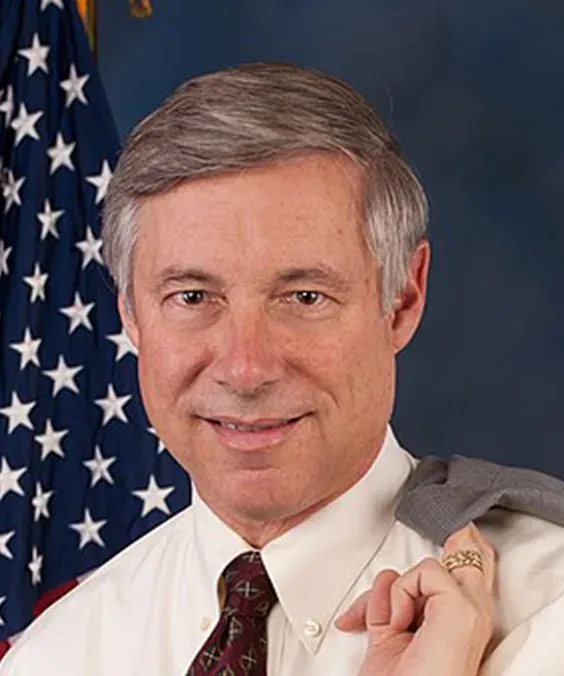
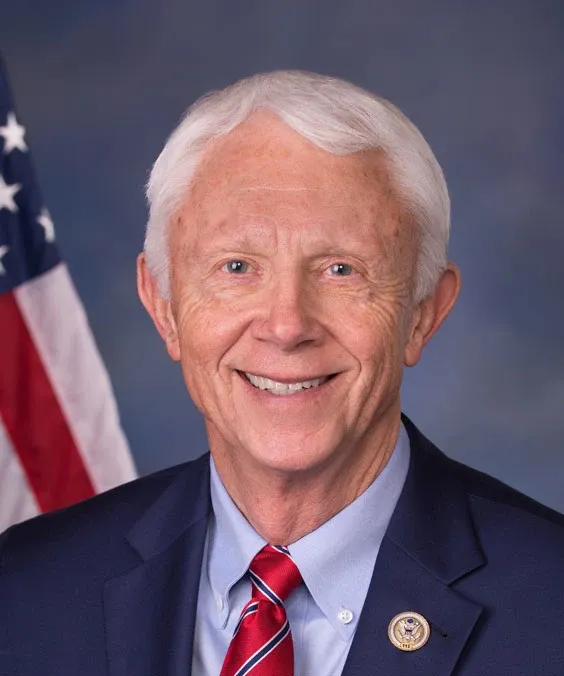
Bill Huizenga is an American politician serving as the U.S. Representative for Michigan's 2nd congressional district since January 5, 2011. A member of the Republican Party, Huizenga has focused on issues such as economic development, job creation, and fiscal responsibility during his time in office. He has been involved in various legislative efforts and has served on multiple committees, contributing to discussions on national security and local economic issues.
I strongly believe that this straightforward legislation is a much-needed common-sense update to the ESA.
If it truly is about protecting our flora and our fauna, then this reasonable reimbursement rate should be just fine.
For too long, litigating attorneys representing non-governmental entities have taken advantage of the Endangered Species Act, raking in millions of dollars in taxpayer-funded money.
H.R. 3131, the Endangered Species Litigation Reasonableness Act, reforms the ESA litigation process while enhancing wildlife preservation, improving government efficiency, and protecting taxpayer dollars.
This bill seeks to correct the current Endangered Species Act anomaly that incentivizes attorneys to spend time in court needlessly arguing.
Rather than taxpayer dollars lining the pockets of trial attorneys or special interest groups that have made a business by suing the Federal Government under ESA, these scarce resources should be directed toward making the law more…
Quite simply, this bill seeks to correct the current Endangered Species Act anomaly that incentivizes attorneys to spend time in court arguing for inflated rates at the taxpayers' expense.
These exorbitant payouts--funded by the American Taxpayer--only impede efforts to achieve the common goal of protecting species and habitats.
I want our colleagues on that side of the dais to know we are reaching across the aisle to ask for your help and support.
This bill would standardize attorney's fees awarded in suits by private parties against the Federal Government.
But as Chairman Huizenga said, you always want to go back and you want to--in the Senate it was 98-0--you want to go back and you want to look at these things from time to time and do you want to say did they work?
The sad reality is that as we expand disclosures dramatically, it actually makes them less approachable for the everyday investor.
I wholeheartedly understand and agree that the scandals leading into Sarbanes-Oxley required action.
I find it extremely concerning that the number of publicly traded companies is approximately half of what it was just 20 years ago.
I can tell you this. My nearly 86-year-old mother--please don't tell her I told you how old she is--doesn't have a broker on Wall Street.
Why would we keep trying this, certainly, at a minimum, underperforming system, if not failing system of stimulus, that is not reaching the people that it is intended to reach?
Something that I am very concerned about, and I know other members on this committee are, on both sides of the aisle, is income disparity.
This important legislation also holds Washington bureaucrats accountable by creating constitutional checks and balances for the Consumer Financial Protection Bureau so that it can more effectively do its job. No government agency should be…
I think that shows it just pulls their focus away from what they really need to be concentrating on.
Having a less-than-robust--that may be the polite D.C. way of putting it--economy out there I believe is part of that.
Politicians like Bill Huizenga