May 20, 2013
I think it has been quite unfortunate that the Agency has been put in a position of having a lot of ideas thrust into its basket and none of the money that is required to perform at the--in the kind of way that we need it to.
The Public Record
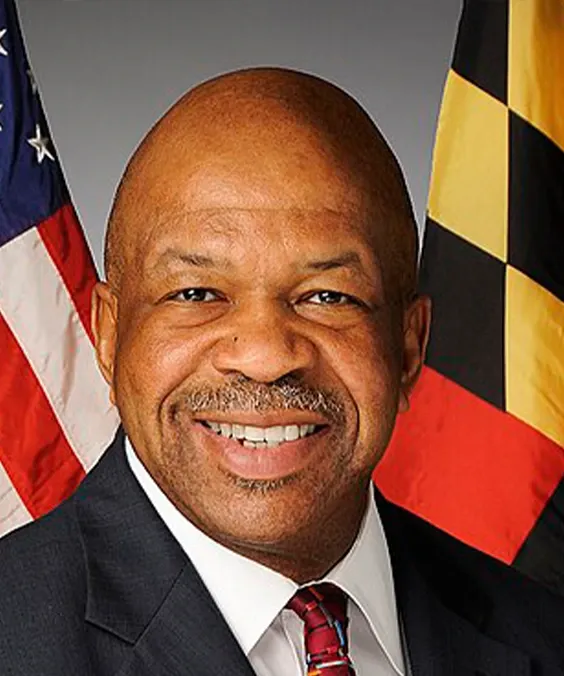
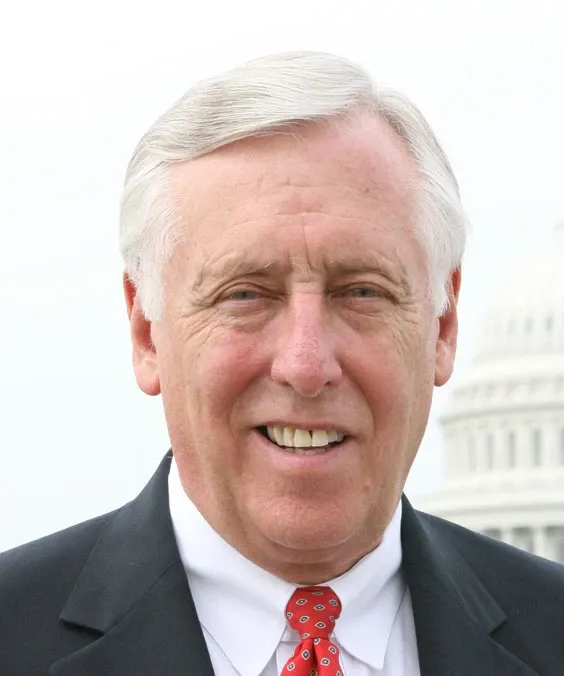
Donna Edwards is a Democratic politician from Maryland who served as a member of the U.S. House of Representatives from 2008 to 2017. She represented Maryland's 4th congressional district, where she focused on issues such as women's rights, healthcare, and economic justice. Edwards was the first African American woman to represent Maryland in Congress, and her tenure was marked by her advocacy for progressive policies and her commitment to her constituents. After leaving Congress, she has remained active in public life and has been involved in various initiatives and organizations.
I think it has been quite unfortunate that the Agency has been put in a position of having a lot of ideas thrust into its basket and none of the money that is required to perform at the--in the kind of way that we need it to.
I share Dr. Squyres' concerns about, you know, aligning the budget and the workforce to the work that we are charged with doing.
I think it has been a shame that NASA as an agency and the industry has not had the kind of concerted direction both from the Congress and from various Administrations that really is appropriate to the task that is in front of the Agency.
But before we look at interim steps, we need first to understand what it takes to get to Mars.
That's why I'm delighted to hear the NASA Administrator, Charles Bolden, speaking more often about Mars as the ultimate destination for human space exploration.
I want to ensure that others share in my excitement and one day experience the thrill of American astronauts traveling to and exploring a surface far beyond our Earth.
Thank you very much, and thanks to our witnesses. I have to say, the work that you do is among the most exciting that those of us who are laypeople can think about.
This finding means we are making progress in answering the fundamental questions of where do we come from and whether we are alone in the Universe.
The search for exoplanets is one of the most exciting subjects in all of astronomy.
I have a statement that is submitted by the Planetary Society expressing concerns about the Fiscal Year 2014 budget that I would like to request be entered into the record.
Today, we're meeting to review the $17.7 billion request for NASA's Fiscal Year 2014 budget.
The successful test flight speaks well of the teamwork among Orbital, NASA, the Wallops Flight Facility.
Because of the recent sequester, NASA is suspending, effective immediately, all education and public outreach activities.
Imagine that, a capability critical to saving the world from potentially hazardous asteroids needed to be saved by a private donor.
The problem of near-Earth objects (NEO) impacting Earth and possibly causing great harm is worrisome but preventable--if we put our minds and resources into it.
American ingenuity, such as the VASIMR electric propulsion technology, will lead the way as part of the solution to the threat from asteroids.
I would like to better understand that, especially in this fiscal environment.
This Committee has been at the forefront in setting the U.S. policy on NEOs for the past two decades.
It is fitting that this Committee is considering U.S. government agency roles and responsibilities in NEO detection, tracking, and mitigation.
I want to make sure that we are also following the recommendations that were laid out in the GSA report...
It would be helpful, perhaps not here, but to have your counsel's interpretation of that for our consideration.
I want to clarify something, because I am looking at the Senate Environment and Public Works Committee-approved resolution...
As Mr. Hoyer has indicated, the University of Maryland, Bowie State University, also provides nationally ranked disciplines in criminal justice.
It is critical that the FBI consolidate its operations to optimize the agency's ability to meet its vital mission.
Politicians like Donna Edwards