Sep 19, 2023
I think the FCC has made dramatic strides in improving the system by creating that feedback loop.
The Public Record
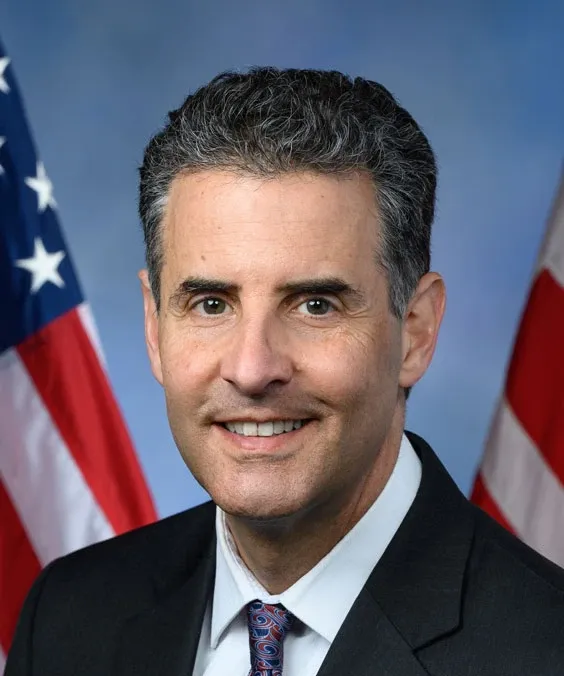
Chris Van Hollen is an American politician serving as the junior United States senator from Maryland since January 3, 2017. A member of the Democratic Party, he previously represented Maryland's 8th congressional district in the U.S. House of Representatives from January 3, 2003, to January 3, 2017. Throughout his career, Van Hollen has focused on issues such as economic policy, healthcare, and education reform.
I think the FCC has made dramatic strides in improving the system by creating that feedback loop.
I would like to help you on both counts there, and maybe we can work with your team.
We are hoping that that might be included as part of an effort to extend the--your authority when it comes to--you know, when it comes to the sales, leasing of the spectrum.
Robocalls are obviously a constant challenge for consumers, and it is always a bit of a cat and mouse game, trying to keep one step ahead of the robocallers who are violating the law.
This would obviously be a huge blow to our effort to really connect people, because physical connection is important, but if you can't afford it, it doesn't do you much good.
This one-time effort developed during the early days of the pandemic was designed to assist students and library patrons with access to connections and devices.
Before the pandemic struck, I had introduced legislation to close what we call the 'homework gap', because students without access to broadband were put at a big disadvantage.
Tragedies like this show us just how essential access to broadband is in our modern life. It is not a luxury; it is a necessity.
Before the pandemic struck, I had introduced legislation to close what we call the 'homework gap', because students without access to broadband were put at a big disadvantage.
Tragedies like this show us just how essential access to broadband is in our modern life. It is not a luxury; it is a necessity.
The hearing record will remain open for 7 days, allowing Members to submit statements and/or questions for the record.
I think the FCC has made dramatic strides in improving the system by creating that feedback loop.
I would like to help you on both counts there, and maybe we can work with your team.
Robocalls are obviously a constant challenge for consumers, and it is always a bit of a cat and mouse game, trying to keep one step ahead of the robocallers who are violating the law.
We are hoping that that might be included as part of an effort to extend the--your authority when it comes to--you know, when it comes to the sales, leasing of the spectrum.
I agree with you. We need to get this done in the coming weeks because it is hurting all of us.
This would obviously be a huge blow to our effort to really connect people, because physical connection is important, but if you can't afford it, it doesn't do you much good.
This one-time effort developed during the early days of the pandemic was designed to assist students and library patrons with access to connections and devices.
Tragedies like this show us just how essential access to broadband is in our modern life. It is not a luxury; it is a necessity.
Before the pandemic struck, I had introduced legislation to close what we call the 'homework gap', because students without access to broadband were put at a big disadvantage.
So, Mr. Harris, just--is there--is there a downside to changing these kinds of tax policies that primarily benefit the very wealthy?
When a particular group of people gets a better tax break than everybody else, that is the same as transferring revenue income directly to them.
It was a failed ideology. The idea that if you give big tax cuts to very rich and very wealthy people, somehow that will trickle down and lift everybody else up, has been a proven failure.
Politicians like Chris Van Hollen