Oct 19, 2023
There are student groups that may have legitimate concerns, for example, about--just a minute--legitimate concerns about the loss of innocent civilian life in Gaza.
The Public Record
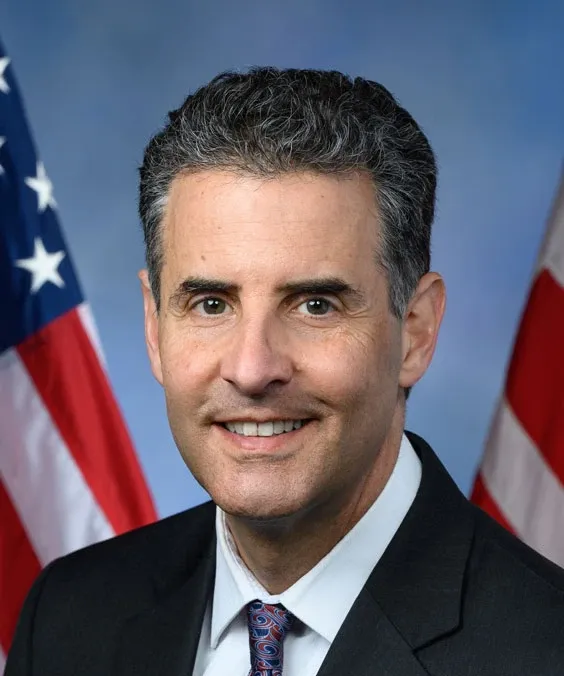
Chris Van Hollen is an American politician serving as the junior United States senator from Maryland since January 3, 2017. A member of the Democratic Party, he previously represented Maryland's 8th congressional district in the U.S. House of Representatives from January 3, 2003, to January 3, 2017. Throughout his career, Van Hollen has focused on issues such as economic policy, healthcare, and education reform.
There are student groups that may have legitimate concerns, for example, about--just a minute--legitimate concerns about the loss of innocent civilian life in Gaza.
I am not suggesting to my colleague that any particular statement that he took out from these protests was a legitimate statement. No. No. But what you are doing here--what you are doing here--is smearing all of the students who engage in…
I appreciate that answer and look forward to working with you and others to try to address this issue.
I appreciate that answer and look forward to working with you and others to try to address this issue.
I appreciate that answer and look forward to working with you and others to try to address this issue.
It would be a step backwards if folks are essentially saying that DFC does not have the tools when it comes to political risk insurance that OPIC had.
Let me also just second what Senator Shaheen and I am sure others have said about the importance of fix--making the equity fix.
Thank you for much food for thought as we move forward on all the issues that we covered.
I agree. I think, with the gist of my colleagues' comments, that this is something that we should really investigate with China and try to engage in a dialogue with them because it is clearly in both of our interest to see this stopped.
I do not want to dismiss the risk of greater Russia-North Korea interaction as a way of expanding the North Korea problem, but I also think that we should not allow it to be overblown.
I think all of you have made the point that if you go back a number of years, China was willing to work much more closely with the United States with respect to restraining North Korea's nuclear program, nuclear testing, missiles.
What we have been doing, clearly, is not successful, at least in achieving the goal as we have stated it, which is denuclearization of the Korean Peninsula.
The U.S. leadership on Ukraine is such--is especially important when we are talking about allied relations.
If the United States were to stop funding the defense of Ukraine, it would have a major impact on the way allies think about our credibility.
It would be a step backwards if folks are essentially saying that DFC does not have the tools when it comes to political risk insurance that OPIC had.
I think the potential to make an impact in Ukraine for financing not only recovery in the future, but today, to help businesses stay alive and have money flowing to the private sector today is huge.
Let me also just second what Senator Shaheen and I am sure others have said about the importance of fix--making the equity fix.
Thank you for much food for thought as we move forward on all the issues that we covered.
I agree. I think, with the gist of my colleagues' comments, that this is something that we should really investigate with China and try to engage in a dialogue with them because it is clearly in both of our interest to see this stopped.
Politicians like Chris Van Hollen