Nov 29, 2011
We would always prefer more than one-third, but the answer to your question is, yes, we have been treated fairly.
The Public Record
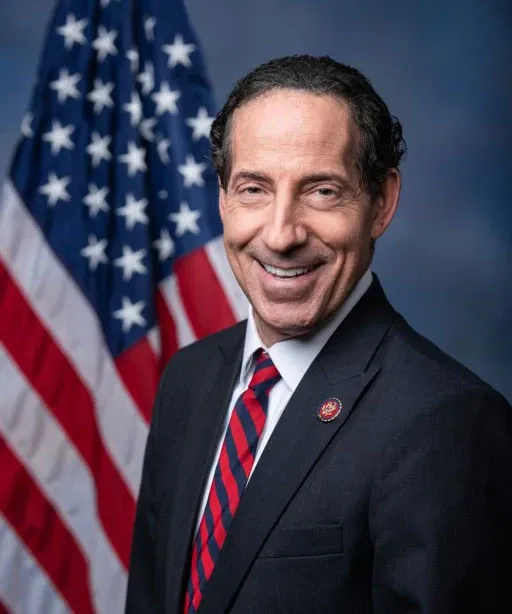
Chris Van Hollen is an American politician serving as the junior United States senator from Maryland since January 3, 2017. A member of the Democratic Party, he previously represented Maryland's 8th congressional district in the U.S. House of Representatives from January 3, 2003, to January 3, 2017. Throughout his career, Van Hollen has focused on issues such as economic policy, healthcare, and education reform.
We would always prefer more than one-third, but the answer to your question is, yes, we have been treated fairly.
What I would ask the committee to consider is that the Budget Committee not be penalized for its history of frugality.
I am very nervous that another round of cuts will mean that we are not able to keep or attract the kind of quality staff.
Every one of the proposals that you have put forward... presumes fundamental political choices about how we are going to get there.
Above all recognize that our Constitution requires a willingness to compromise
Our Congressional rules on Congressional process, are like flashing yellow lights, and like stop signs.
The PAYGO rule that has been in effect during different periods has played a useful, even though limited, role in trying to prevent the deficit from getting even worse.
I do think there are some measures, budget process measures, that can help improve the process.
The only thing that stands between divided government that works for the country and dysfunctional government is the willingness to compromise.
I take it, from looking at both your reports, that you would want tax reform to be done in a way that maintains at least the current progressivity of the Tax Code.
We think a variety of Government spending programs, if increased, or Government tax revenues, if reduced, would spur economic activity in the next few years.
One of the most effective ways to boost consumer demand would be to extend support for people who are out of work through no fault of their own.
If the Congress was to take action to repeal the defense portion of the sequester, all things being equal, that would make the deficit worse.
Many analysts think that the country should spend more in the area of infrastructure.
Nondefense discretionary spending is shrinking dramatically over the next 10 years.
If that were to lapse and that would mean that working people had less disposable income, especially at this point in time, that would also dampen demand in the economy.
The top 400 richest Americans, all making over $110 million per year and making an average of $271 million a year, paid only 18 percent of their income in income tax in 2008, the effective rate.
I think many of us view your general approaches here as balanced approaches, balanced frameworks.
If we are to keep in place the tax cuts that were implemented in 2001, 2003 rather than allow them to lapse... we would have much larger deficits.
So now to get back to your scoring, though, when tax cuts are scored, whether they were 2001, 2003, because you do not take into account some of those macroeconomic effects, you also don't take into account the fact that those tax cuts…
On CBO, when they score investments, when CBO looks at the investment side, investment infrastructure and education, they don't take into account either the positive economic growth benefits of that in terms of receipts, do they?
Politicians like Chris Van Hollen