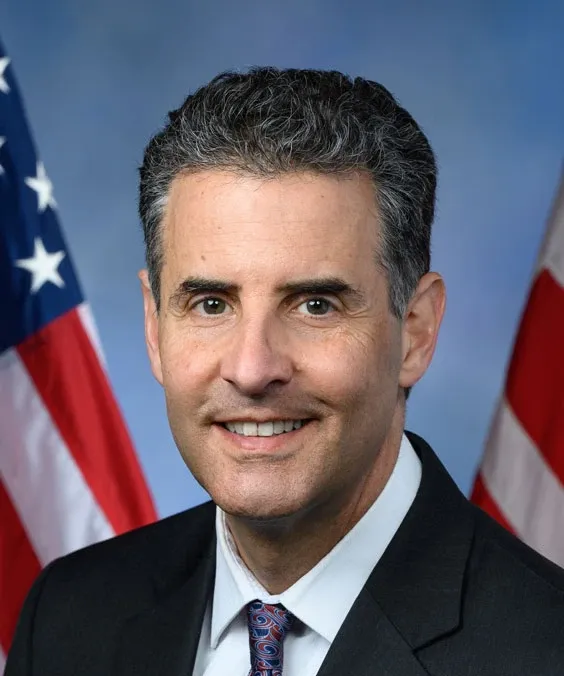
Ben Cardin
The Public Record
Ben Cardin is a United States Senator from Maryland, serving since January 4, 2007. A member of the Democratic Party, he has focused on issues such as healthcare, education, and civil rights throughout his political career. Prior to his tenure in the Senate, Cardin served in the U.S. House of Representatives from January 3, 1987, to January 3, 2007, where he was known for his work on tax policy and social security reform.
Jul 27, 2009
I commend the President for his announcements on the closing, the intended closing of Guantanamo Bay.
Jul 21, 2009
The work of the United States Fish and Wildlife Service to protect and manage our wildlife resources is important.
Jul 21, 2009
They have wreaked havoc. We have lost thousands of acres of wetlands as a result of it.
Jul 21, 2009
Fish and wildlife are important natural resources just like clean air and clean water.
Jul 21, 2009
America's unique and diverse wildlife is emblematic of our culture and land ethic.
Jul 21, 2009
I can tell you that the local governments do not have enough resources to deal with this issue.
Jul 20, 2009
The Clean Energy and Green Jobs legislation we pass will put us on a path to energy independence, and that's a path to improved national security, increased GDP and increased job growth.
Jul 20, 2009
The problem is that we have allowed the jobs to be exported overseas because we have not had the right incentives in America for the creation of clean jobs here in our own country.
Jul 20, 2009
This opportunity for American workers and American entrepreneurs cannot be allowed to pass them by.
Jul 20, 2009
Robust clean energy and climate legislation will transform the American economy.
Jul 20, 2009
I would like to see those 140 jobs and many more come back to Maryland in a new green economy, but it is not likely to happen without a firm commitment to clean energy from the U.S. Government.
Jul 20, 2009
One of our prime tests in moving forward with energy legislation and environmental legislation is not just energy security for America... but we also need to keep jobs and create jobs in America.
Jul 15, 2009
Second, I think there needs to be more attention paid to it. That is, those states that are saying they're doing one thing, but in fact are not doing that.
Jul 15, 2009
I would just make a couple of suggestions. First, I think we should evaluate the technical assistance that we provide to countries to comply with the EITI.
Jul 15, 2009
One thing is clear. Many of the countries in the world that have some of the highest levels of poverty among their citizens also have mineral wealth.
Jul 14, 2009
This park will allow young people and everyone to know more about this remarkable woman.
Jul 14, 2009
I thank you very much for the opportunity of testifying in support of S. 227, the Harriet Tubman National Historical Park and Harriet Tubman Underground Railroad National Historical Park Act.
Jul 13, 2009
It is no coincidence that both our transportation and energy infrastructure systems are simultaneously at a crossroads.
Politicians like Ben Cardin