Mar 23, 2010
It really speaks in volumes as to what we need to do in improving our transportation infrastructure.
The Public Record
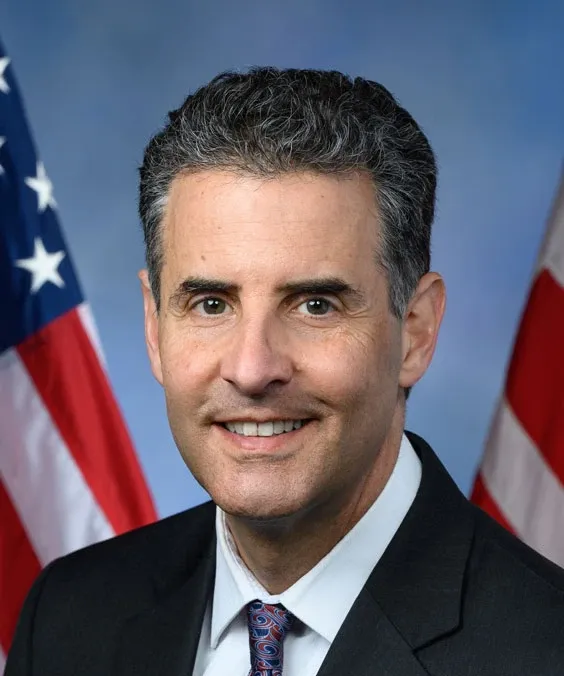
Ben Cardin is a United States Senator from Maryland, serving since January 4, 2007. A member of the Democratic Party, he has focused on issues such as healthcare, education, and civil rights throughout his political career. Prior to his tenure in the Senate, Cardin served in the U.S. House of Representatives from January 3, 1987, to January 3, 2007, where he was known for his work on tax policy and social security reform.
It really speaks in volumes as to what we need to do in improving our transportation infrastructure.
What we are suggesting to you is that what we need is a national policy statement in the bill about how highways need to be designed to control water pollution.
first, let me respond very briefly to the Republican leader and say that, looking at what the Congressional Budget Office has said, the objective scorekeeper, it says this bill will accomplish bringing down the growth rate of health care…
This debate is about allowing every American to be able to tell their children that when they get sick, they will have an opportunity to see a doctor. It is about a small business owner who should not have to choose between insuring his…
we are here today to talk about the importance of job creation in our economy. We all know we need to create jobs. The way to create jobs is to help small businesses. Too much of the focus over the last couple years has been in helping the…
this week we celebrate Sunshine Week, not as a seasonal way to welcome the spring weather but as a time to mark the importance of transparency in our government. At the U.S. Helsinki Commission we monitor 56 countries, including the United…
Well, Senator Klobuchar, Chairman Klobuchar, thank you very much for conducting this hearing on the Government Accountability Office's investigation of EPA's effort to protect children's health.
let me thank Senator Warner for organizing this presentation to point out the abuses the minority has used in blocking the responsibility of the Senate to confirm appointments made by the President. I believe in the right of the minority…
I thank Senator Shaheen for her leadership on S. Res. 433. I thank her for coming to the floor this evening to explain what this resolution does, that it would have the Senate go on record in support of recognizing March 8 as International…
I want to thank Senator Merkley for his leadership in introducing this important legislation
I especially want to thank Senators Stabenow and Sanders of this Committee for being original co-sponsors
I think there's an inherent conflict sometimes between how good the government is and how much the need is.
That's a huge increase in the use of antidepressants, and that number remained pretty constant for 2008.
In 2009, an unprecedented 160 Active-Duty Army suicides were reported, representing a 15 percent increase over the previous year.
We look at ways of changing our foreign aid focus to make sure there's transparency.
I am going to work with my colleagues here on legislation because a constitutional amendment takes a lot of time.
I'm honored to be before your committee, and I bring to your attention a serious issue concerning the health of our combat troops.
It's sometimes very difficult to get support to build up the internal capacity of a country.
I proposed an amendment (#1475) to the 2010 National Defense Authorization Act (NDAA) which would have required the Department of Defense to report to Congress annually.
I'd like to know if--how familiar the three Assistant Secretaries are with this issue inside your departments, and what your thoughts are.
The intent of this letter was to get a preliminary assessment of the number of troops being affected by the Department of Defense's (DOD) policies on mental health care in theater.
This amendment was successfully accepted into the Senate's version of the NDAA, but was unfortunately removed during the conference process.
I am pleased to have this opportunity to discuss with you the issue of the deteriorating mental health of so many of our combat troops.
It is Congress' responsibility to set up the system for fair and open elections in the United States.
Politicians like Ben Cardin